Published on: December 30, 2025 Updated on: December 30, 2025
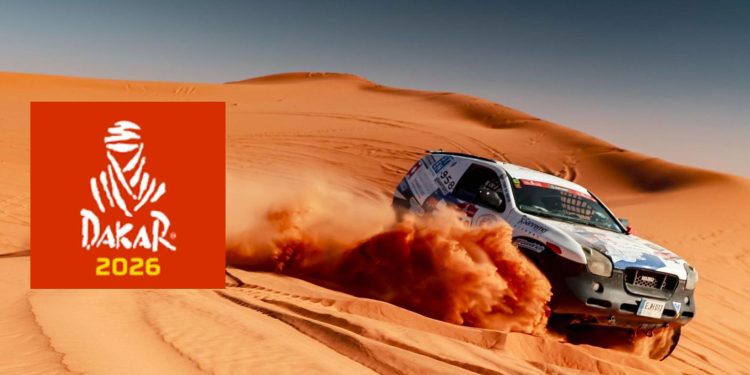
There are races that measure speed. And then there is the Dakar, which measures the ability to keep going when everything around you is telling you to stop.
The Dakar Classic 2026 (January 3 to 17 in Saudi Arabia) adds another level: historic vehicles, "pure" navigation, regularity, mechanical and mental management. A format where experience counts as much as the engine, and where every technical choice becomes part of the strategy.
In this context, the crew composed of Luciano Carcheri and Fabrizia Pons, competing with number 719, faces the desert with the technical support of Mafra and the backing of the Liguria Region through the brand "Liguria – The Italian Riviera." At the same time, Mafra will also be the technical partner of Tecnosport, which is fielding six crews at the 2026 Dakar Classic.
First of all: why the Dakar Rally has become a legend
To truly understand what "Dakar" means, you have to start with its imagery: not just a race, but a journey where navigation, endurance, and adaptation are as important as driving.
Born as a rally-raid combining adventure and competition, Dakar has become a benchmark over time because it puts people in extreme conditions: heat, dust, sand, hostile terrain, enormous distances, and a pace that allows for no distractions. This is where the legend is born: not so much from the rankings, but from the idea that every day is a total test.
The Dakar DNA in three words
- Desert: everything changes (grip, visibility, temperatures, errors).
- Autonomy: you need to manage the unexpected, often with no margin for error.
- Method: the competition punishes superficiality and rewards those who think carefully.
How the Dakar Rally has changed over time
From Africa to the turning point of 2008
For decades, "Paris-Dakar" meant crossing African landscapes all the way to Senegal. Then came a turning point: the 2008 edition was canceled for safety reasons. It was a breaking point that changed the geographical destiny of the race.
The South American era (2009–2019)
Since 2009, the Dakar Rally has been held in South America, marking the beginning of a completely new cycle: high altitudes, fast tracks, new logistics, and a huge audience. The geography has changed, but the essence remains the same: distances, management, navigation.
From 2020: Saudi Arabia
Since 2020, the Dakar Rally has been held in Saudi Arabia, inaugurating the current "Middle East" phase. Long distances, vast expanses of sand, and a route that continues to test both men and machines. In other words, the Dakar Rally remains the Dakar Rally because it retains its toughness, even when it changes continents.
What is the Dakar Classic and why is it so fascinating?
The Dakar Classic is the category that brings the charm of historic vehicles and "reasoned" driving to the race. Here, absolute speed does not matter: what counts is regularity, precision, reading the roadbook, managing the mechanics, and the ability to stay alert for two weeks.
It is an almost "educational" format: it shows what it means to orient yourself, interpret the terrain, avoid mistakes that cost hours, and start each morning with the same concentration.
Dakar Classic 2026: the race within the race
The 2026 edition, held entirely in Saudi Arabia, is scheduled for January 3 to 17 and covers a total distance of over 8,000 km. The format includes 14 days of competition, with a prologue and 13 stages, including two "marathon" stages in which external assistance is prohibited.
Sand, dust, stone, extreme heat, and very long distances: in this context, every technical detail makes a difference.
Visual timeline: from the origins to the 2026 Dakar Classic
A quick read to understand how the Dakar Rally became what it is today.
| Year | Key event |
| 1978–1979 | First edition and birth of the Dakar legend: the rally-raid enters the collective imagination. |
| 1980s–1990s | The "heroic" era: navigation, bivouacs, endurance, and extreme trials cement the legend. |
| 2008 | Edition canceled for safety reasons: a watershed moment that changes the geographical future of the race. |
| 2009–2019 | It was South America: new altitudes, different terrains, and a long cycle that reshaped the format. |
| 2020 | It all began in Saudi Arabia: vast distances, endless sands, and a new chapter in the Middle East. |
| 2021 | The Dakar Classic is born: regularity, historic vehicles, precision, and management over pure speed. |
| 2026 | Dakar Classic 2026: Carcheri–Pons crew #719 in the race. Tecnosport at the starting line with nine crews and an all-female historic chapter. |
Tecnosport: six teams at the starting line and a historic chapter in the Classic
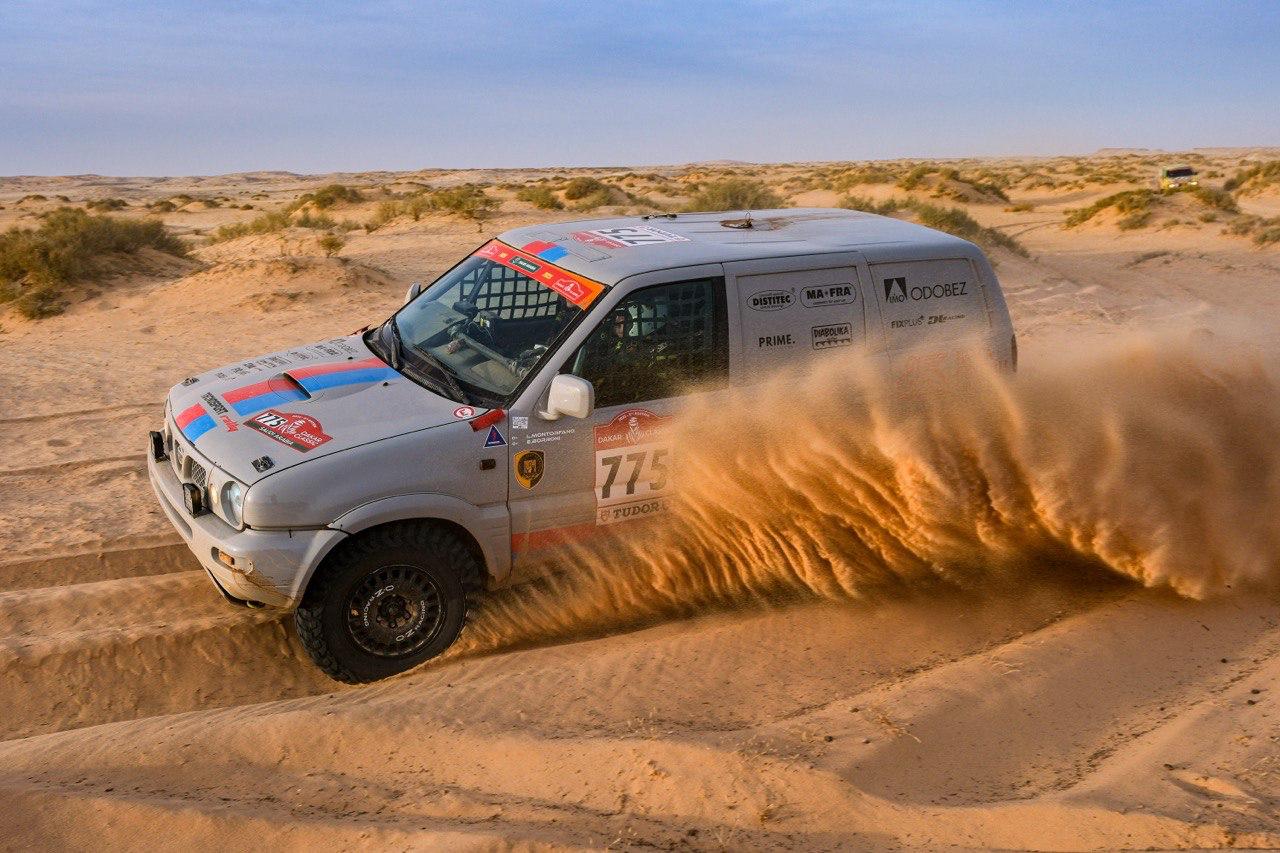


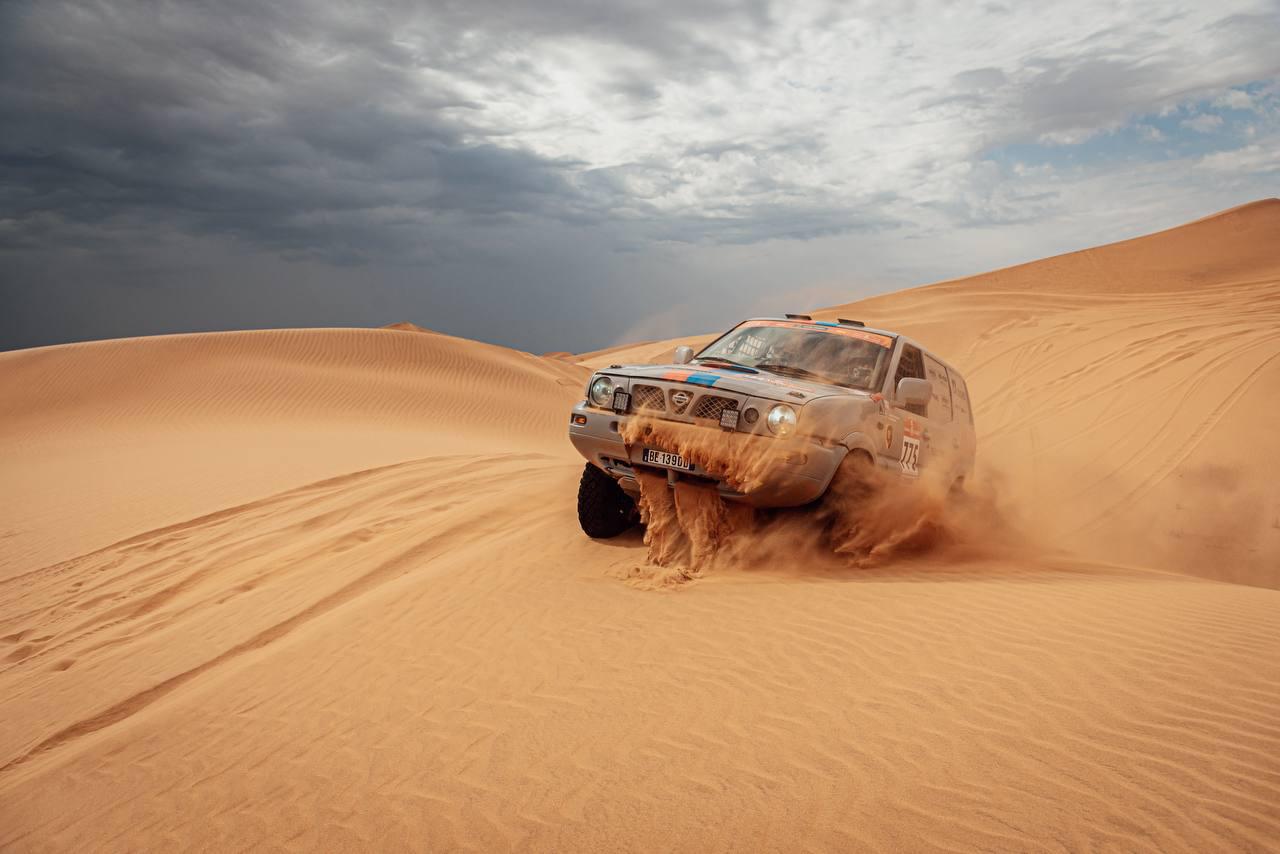
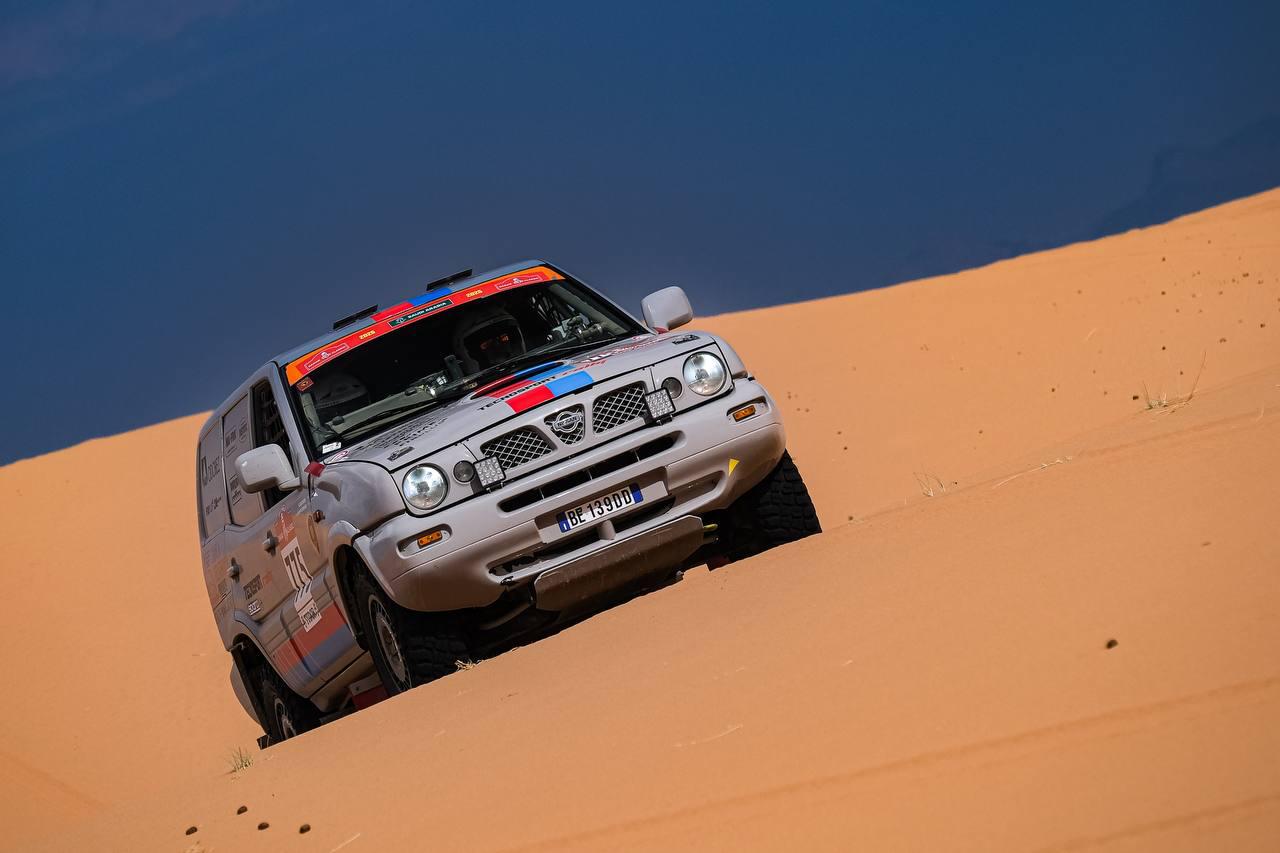

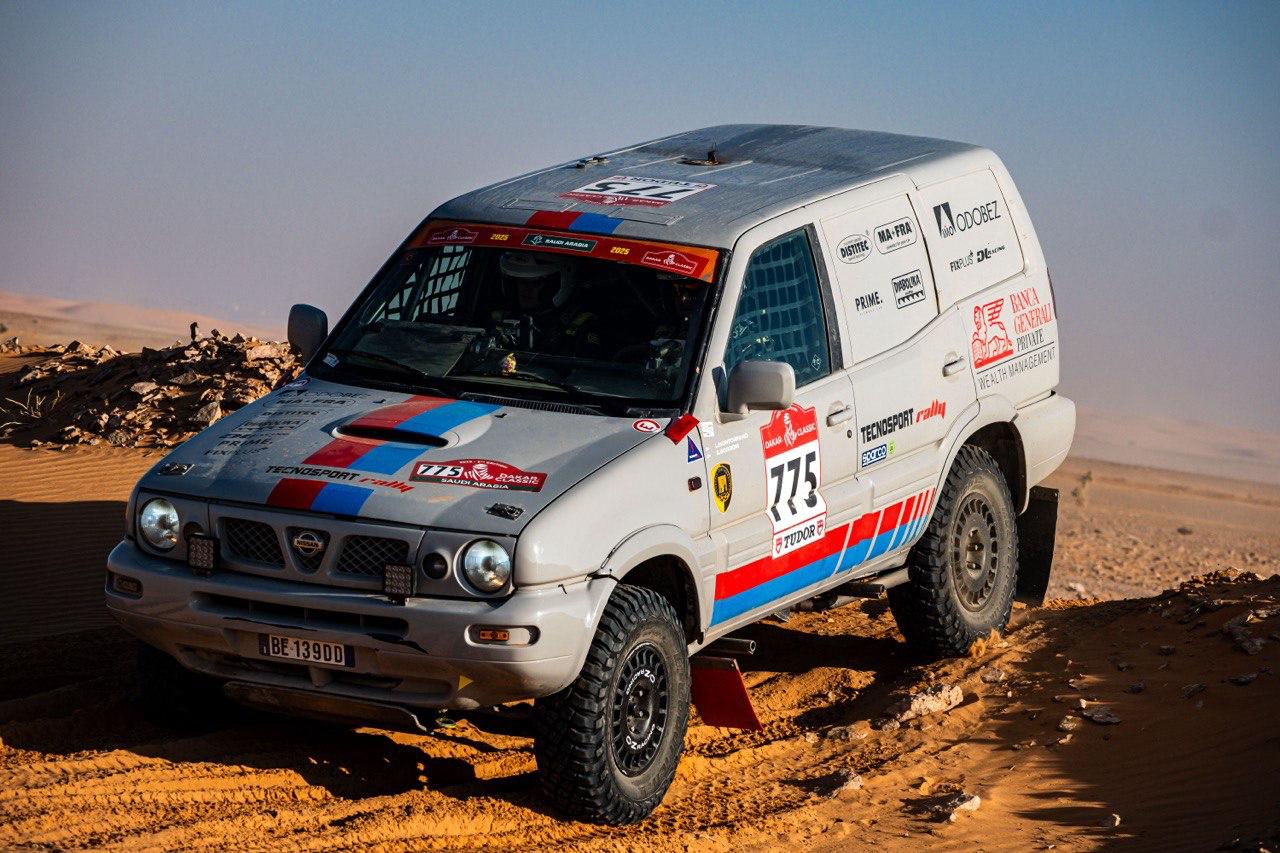


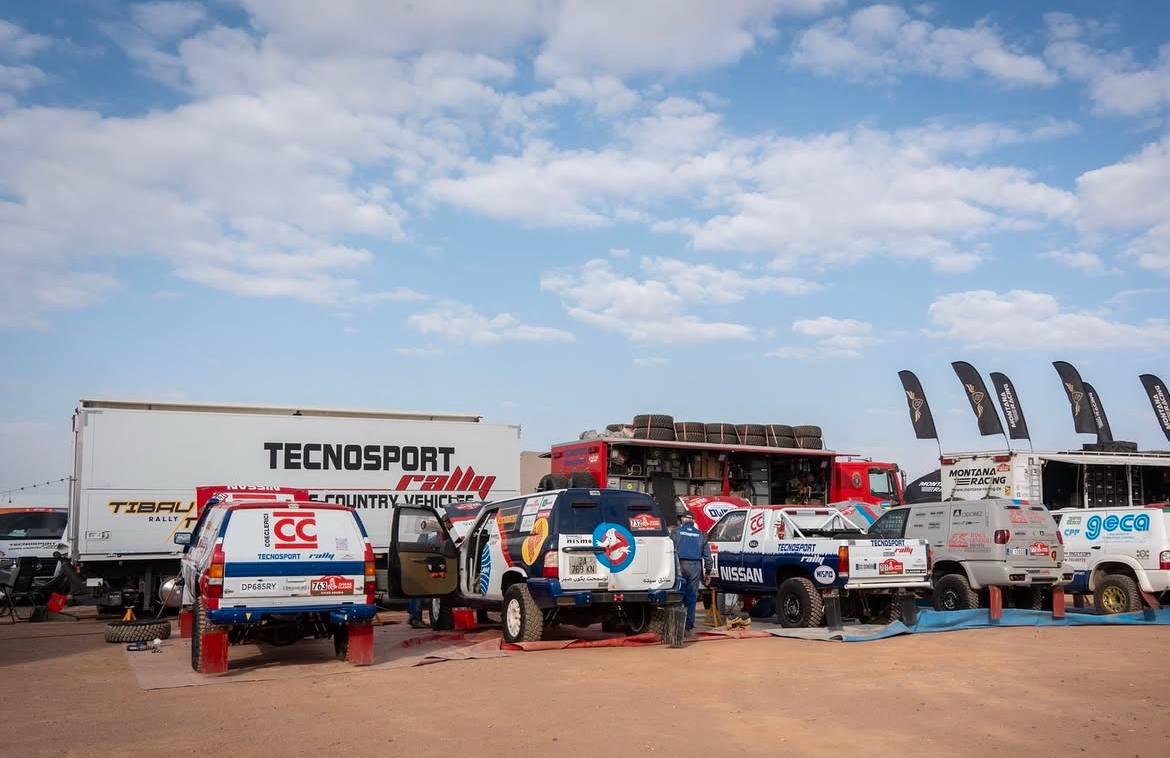

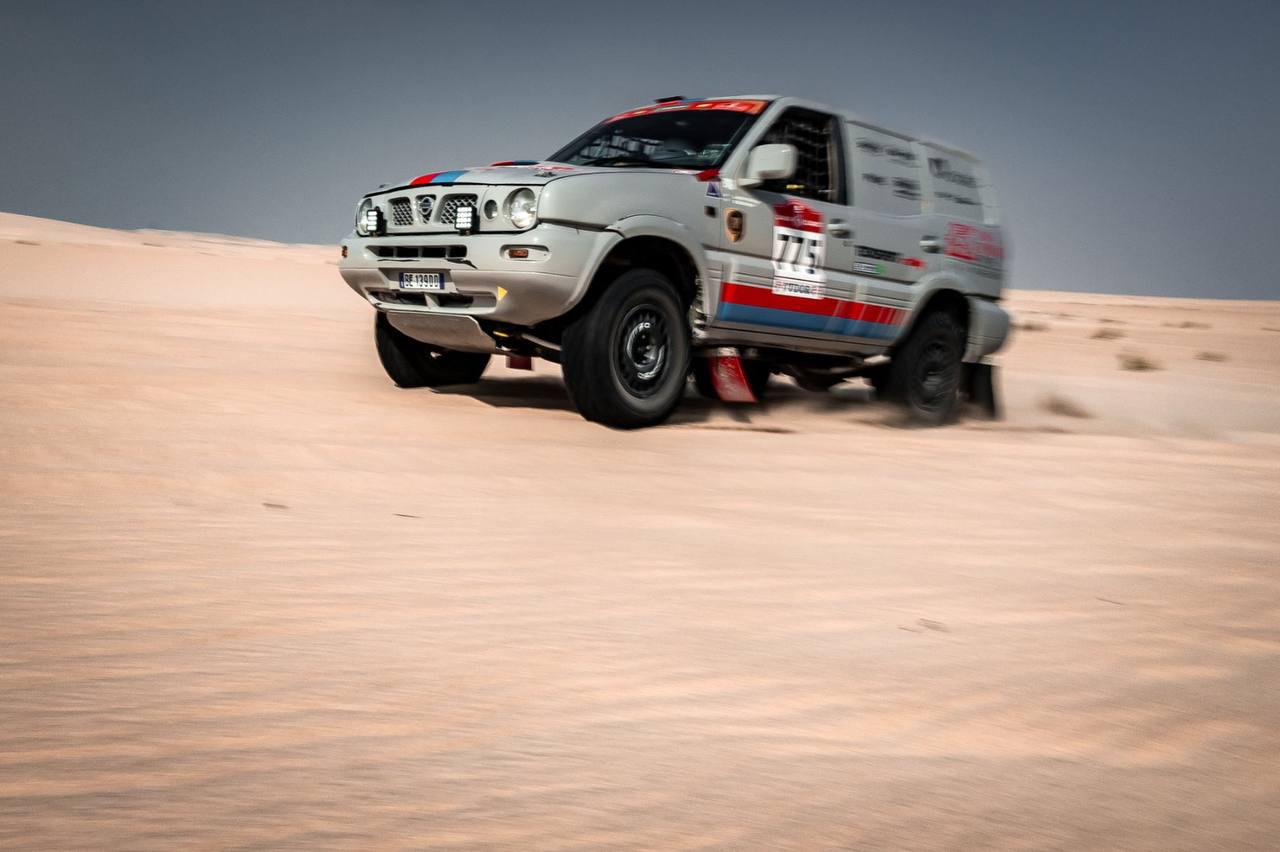


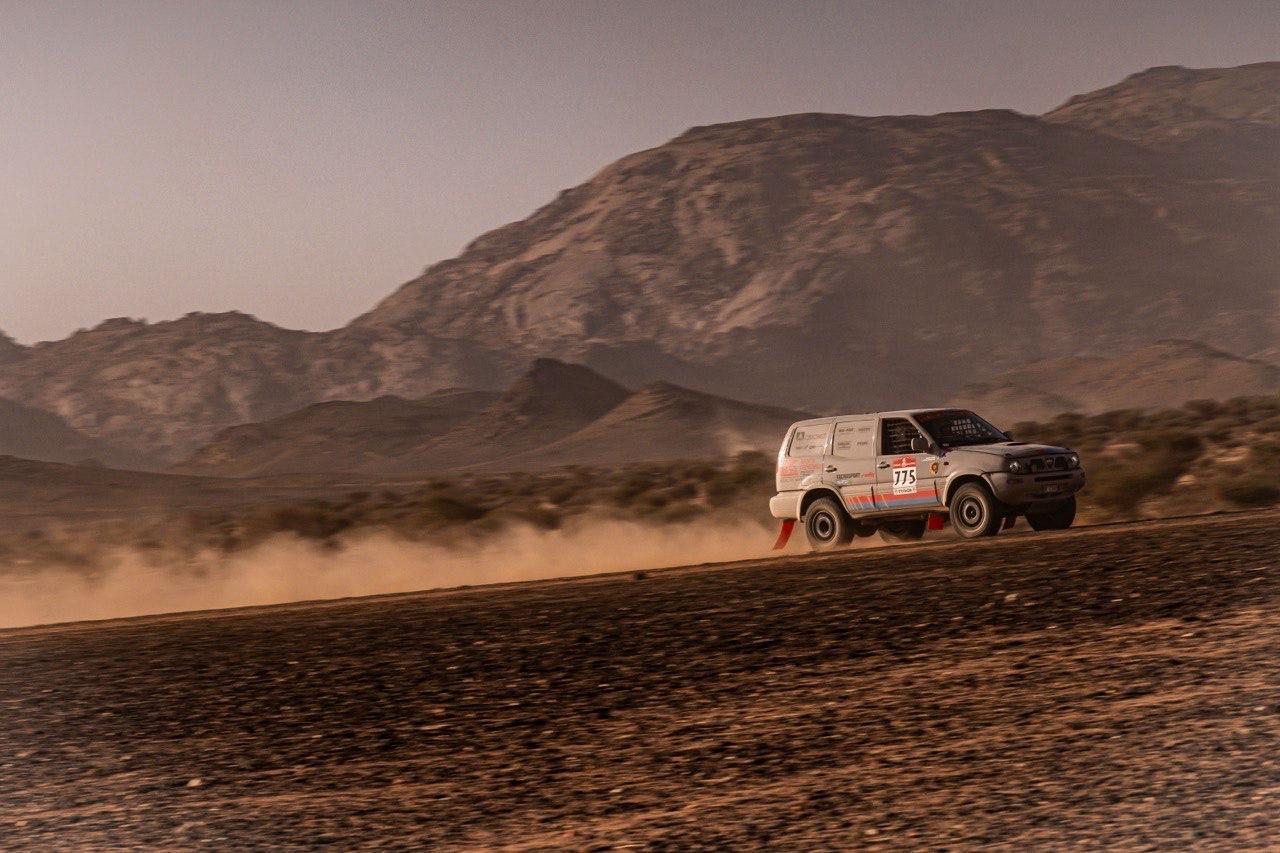


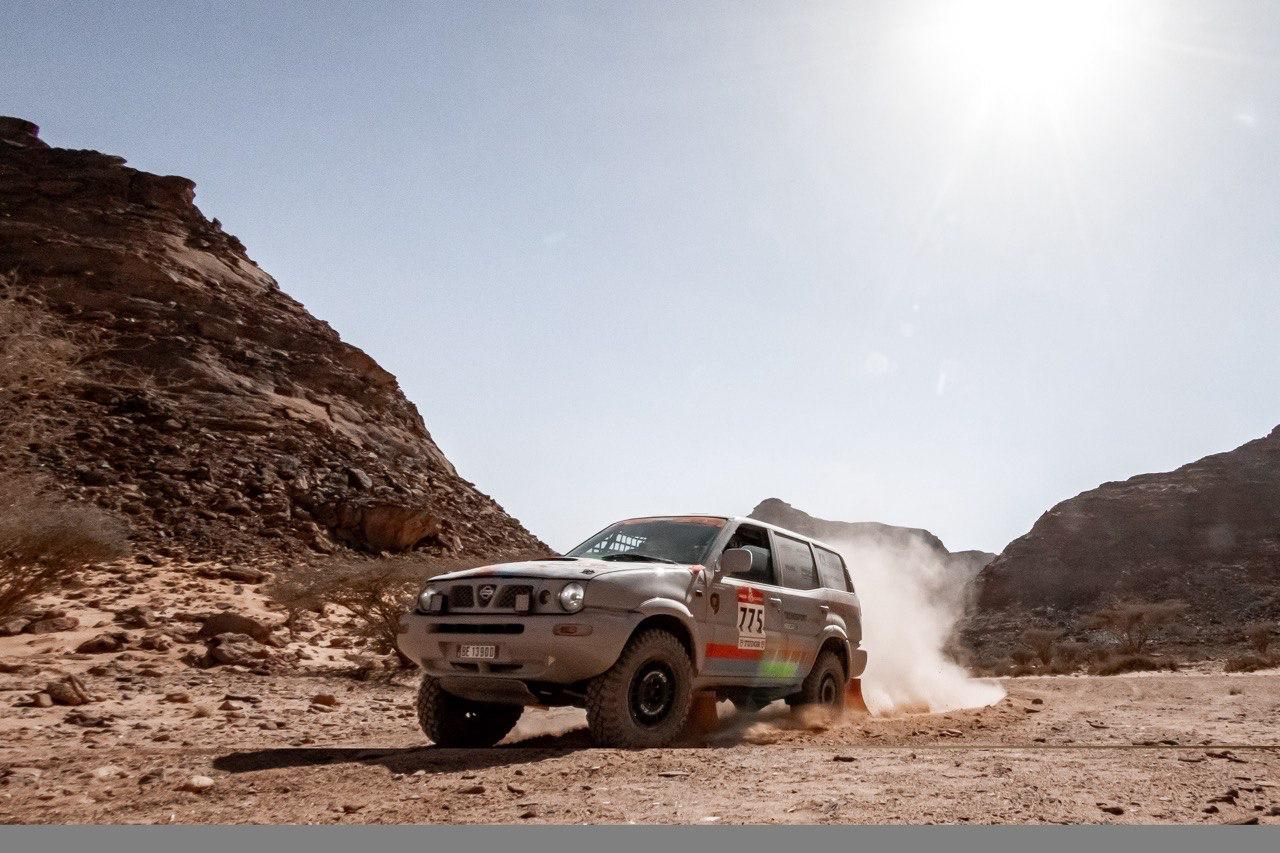
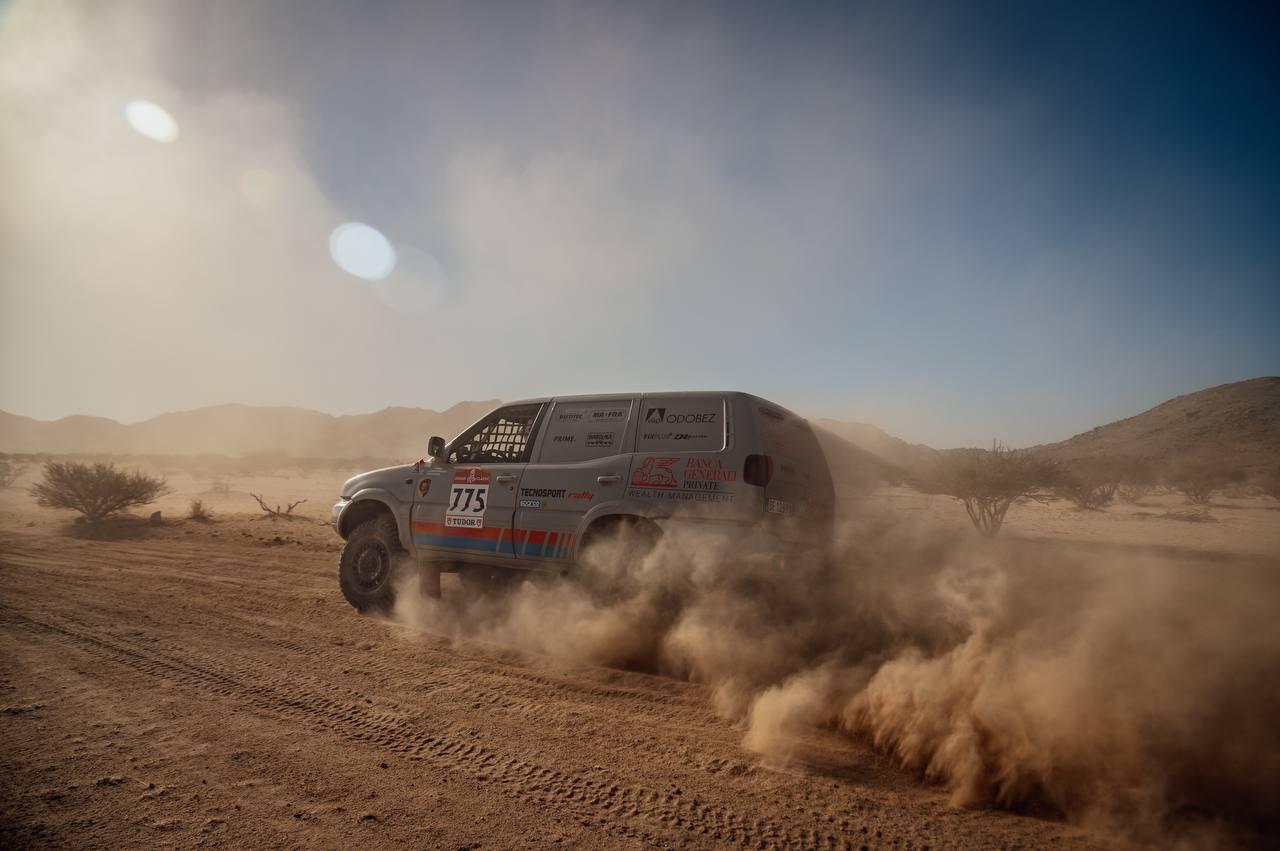
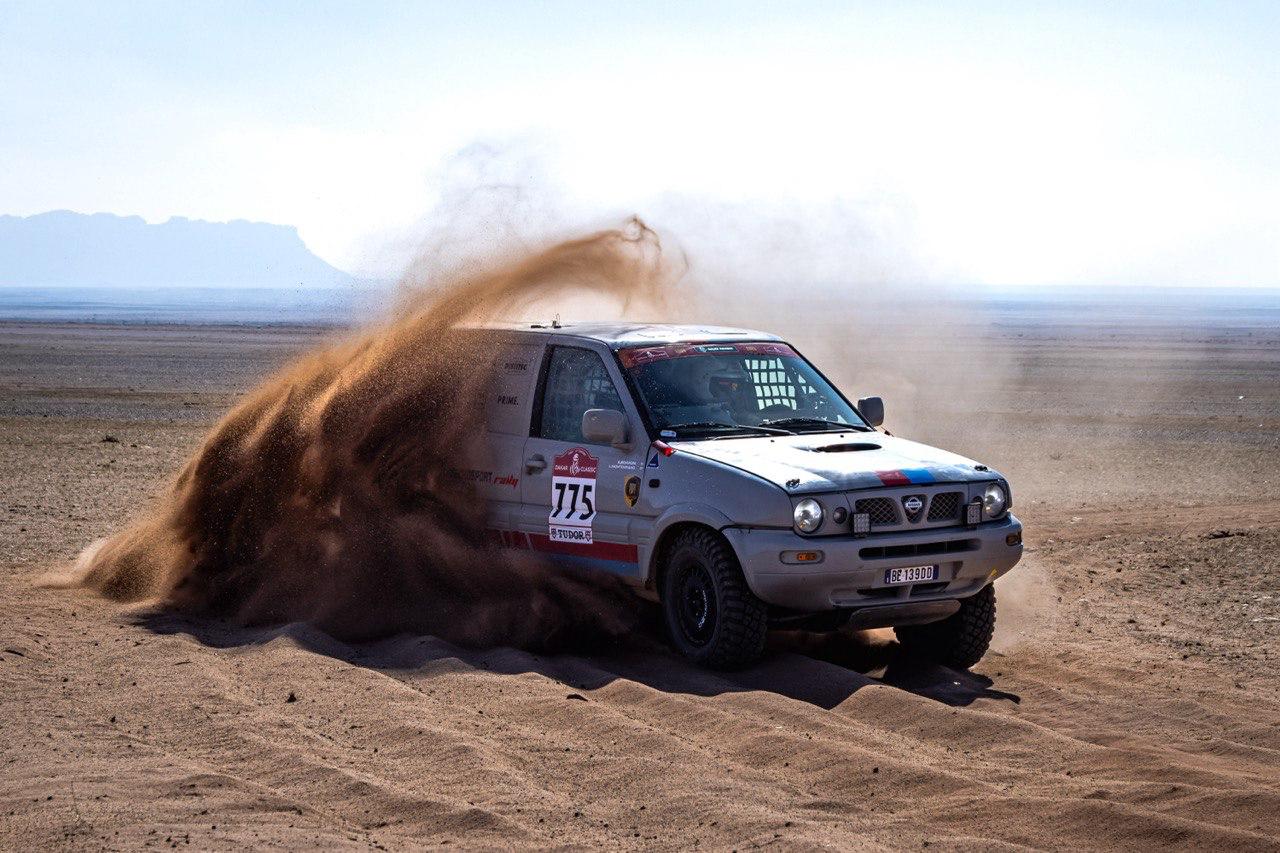
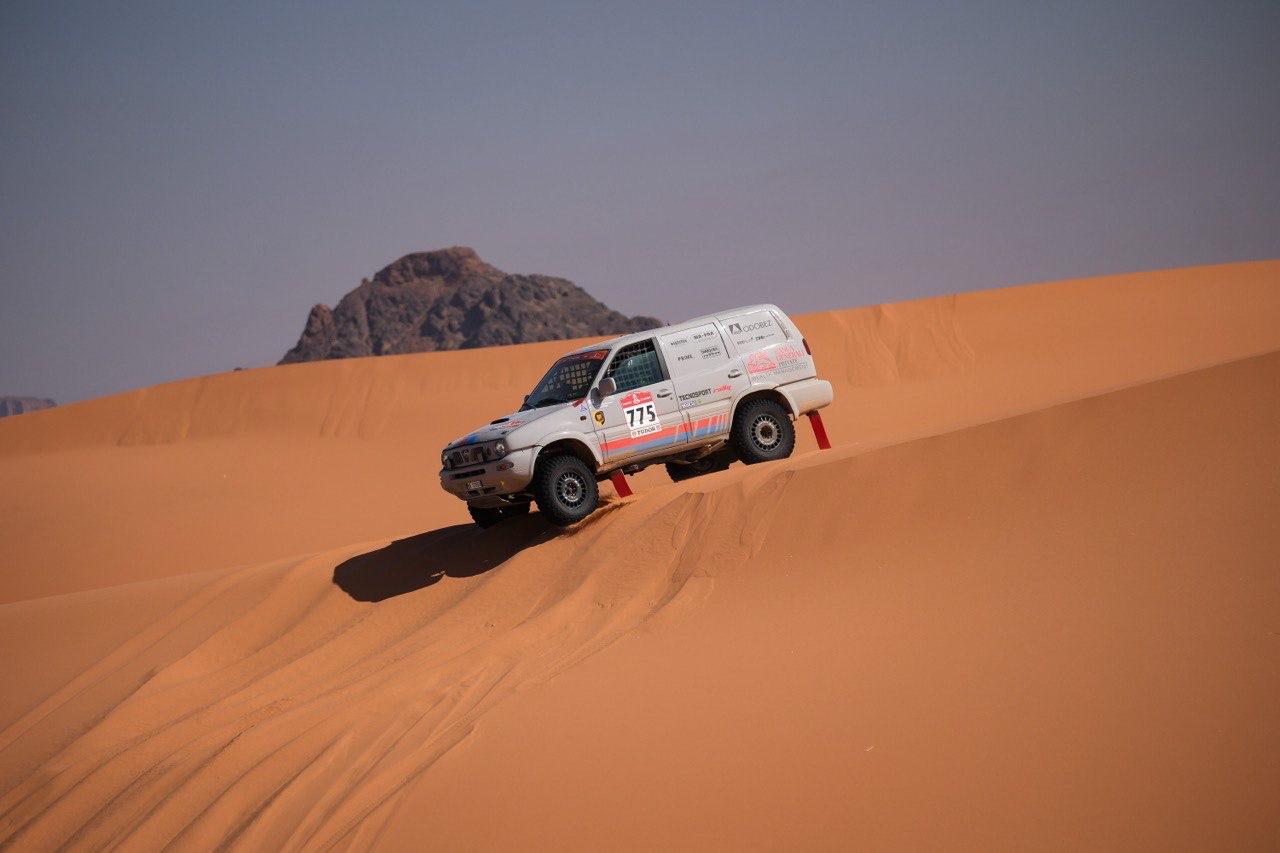
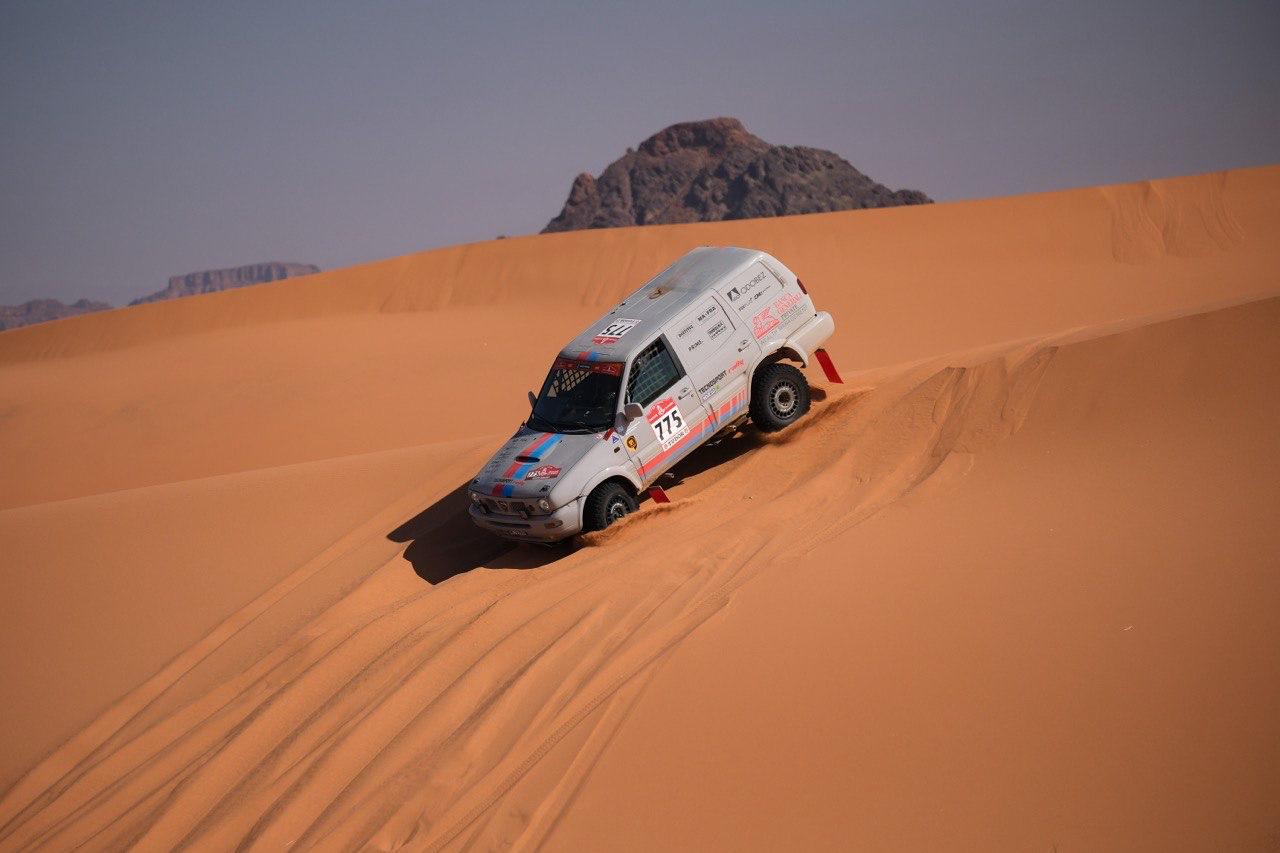

Behind every team that reaches the finish line at the Dakar Classic, there is always a second race: the one that takes place in the workshop, in testing, in logistics, and in the minutes stolen from sleep at the bivouac. This is where Tecnosport Rally comes in: preparation, method, and the ability to transform the adventure into an organized technical project, without detracting from the spirit of the challenge.
Tecnosport will have a significant presence at the 2026 Dakar Classic: six crews at the start in the Car Classic category. It's not just a number: it means vehicles, people, spare parts, assistance, coordination. Above all, it means one thing: keeping moving even when every day tries to slow you down.
The Tecnosport teams in Car Classic (official numbers)
#701 – Lorenzo Traglio & Rudy Briani
#709 – Paolo Bedeschi & Iader Giraldi
#721 – Gian Paolo Cavagna & Francesco Maria Proietti
#723 – Francesco Pece & Simona Morosi
#726 – Taz Evin Harvey & Rocco Sbaraglia
#754 – Filippo Giorgio Colnaghi & Irene Saderini
#908 – Marino Mutti & Angelo Fumagalli
#912 – Andrea Cadei, Stefano Sbrana & Marco Valentini
#924 – Rachele Somaschini, Monica Buonamano & Serena Rodella
Ladies Dakar Team: the first all-female crew in the history of the Dakar Classic
Within this lineup, there is one chapter that is worth more than statistics, because it is sporting history. For the first time in the history of the Dakar Classic, Tecnosport is fielding an all-female crew: the Ladies Dakar Team, aboard a 1988 Mercedes-Benz Unimog 435 (truck #924).
At the wheel is Rachele Somacchini, flanked by Serena Rodella (co-driver and mechanic) and Monica Buonamano (navigator): a trio that combines skill and character and perfectly embodies the spirit of the Dakar Classic. Because here it's not about "participating," but about keeping up with the pace of the toughest race, day after day, without shortcuts.
In this context, the partnership with Mafra makes even more sense: Mafra will also be Tecnosport's technical partner in this adventure. When you're at the bivouac and you have to get everything back in order in a few hours, it's important to have practical solutions that speed up the work and help you maintain control and clarity. At the Dakar, it's often the one who makes the fewest mistakes who wins, and the one who makes the fewest mistakes is the one who can work well even when tired.
Crew #719: experience, method, endurance

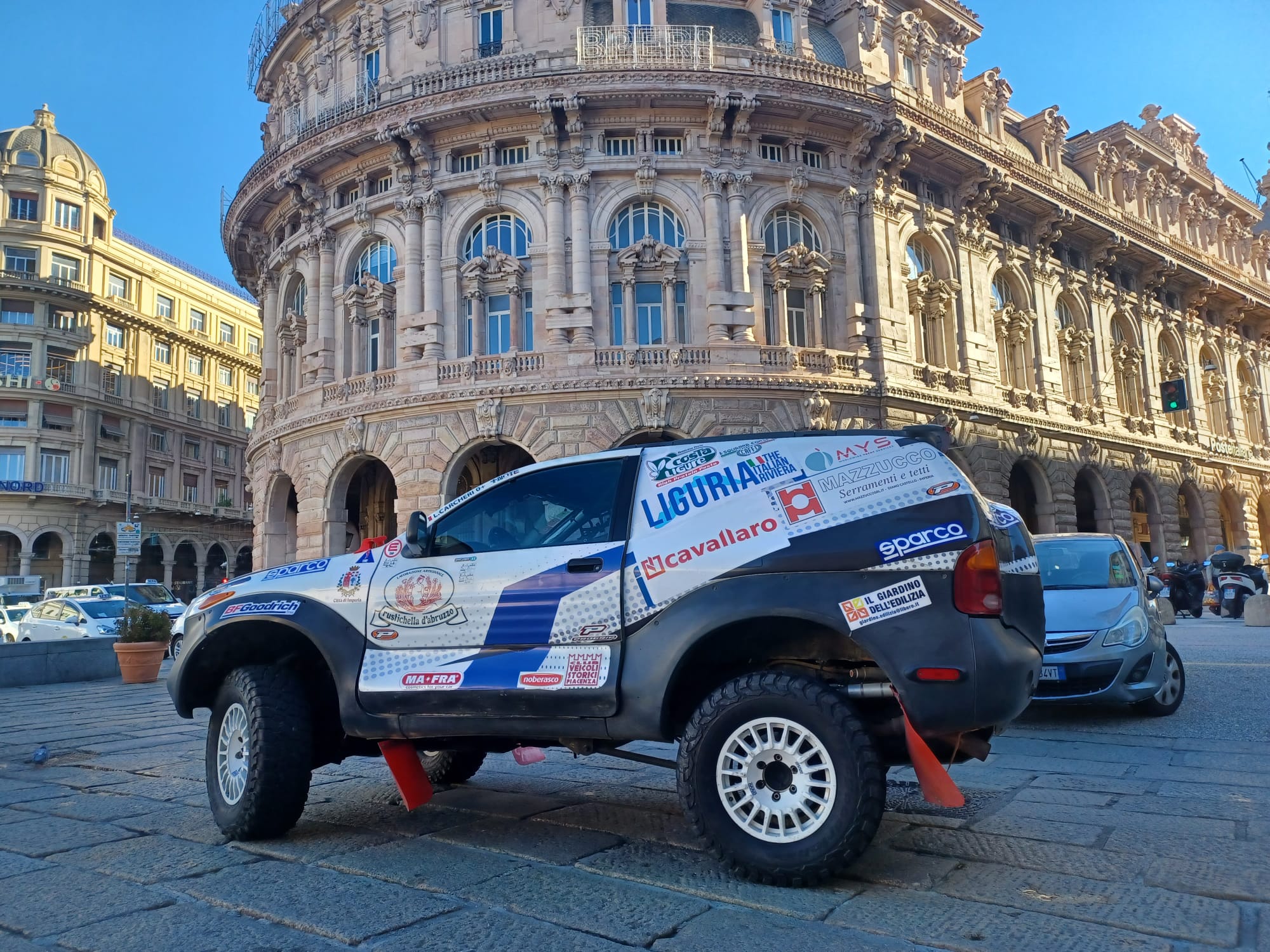
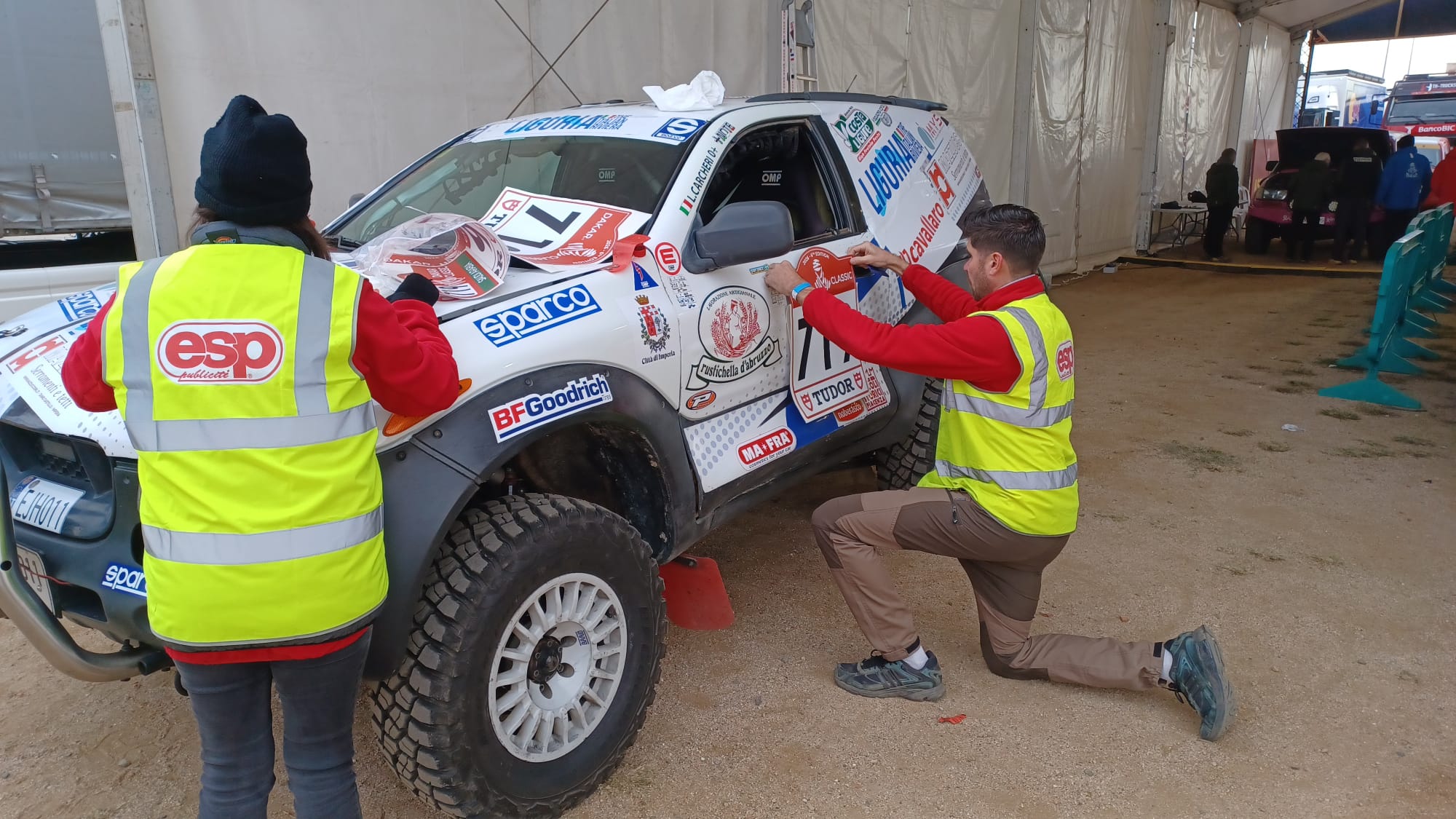


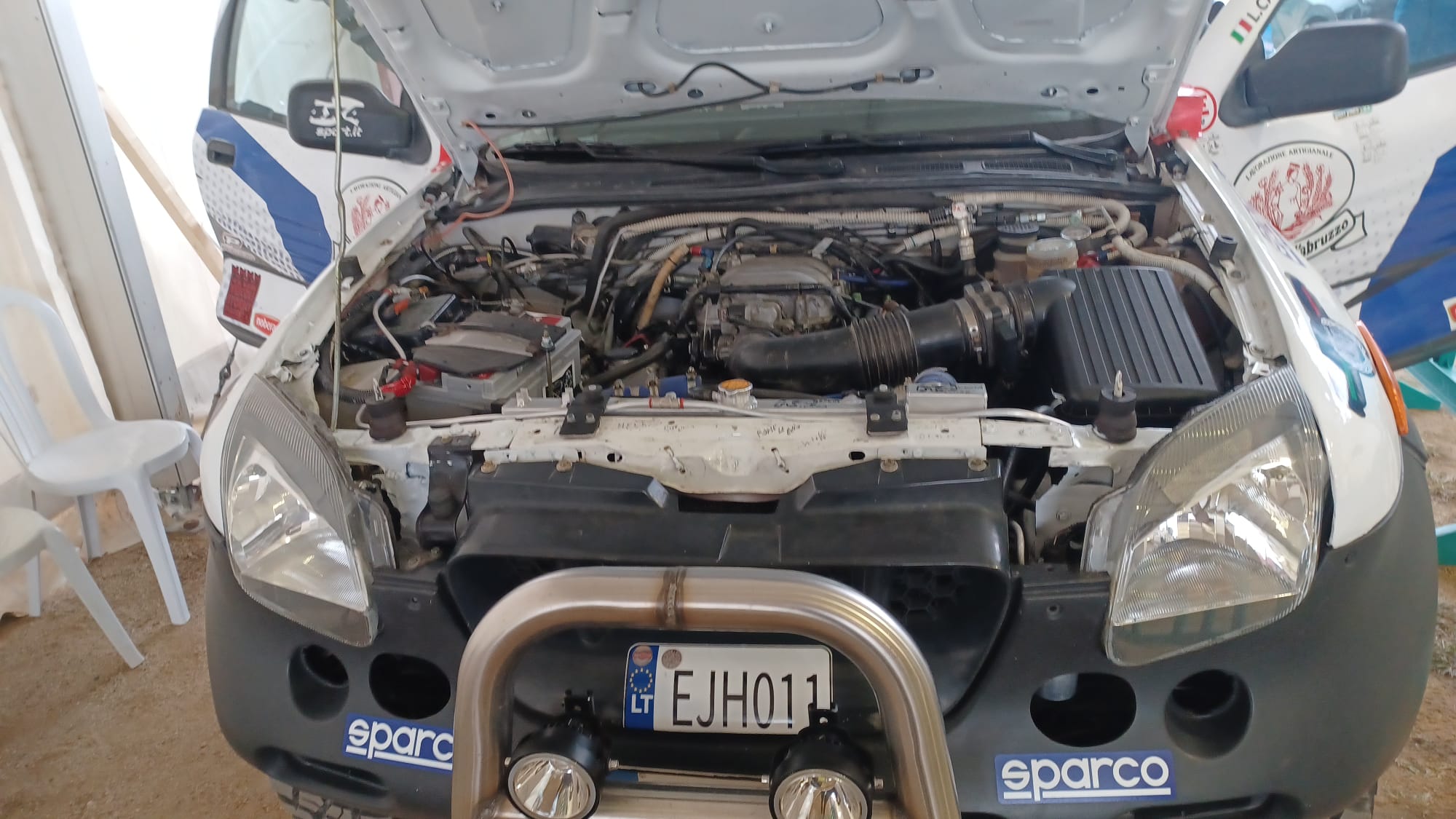
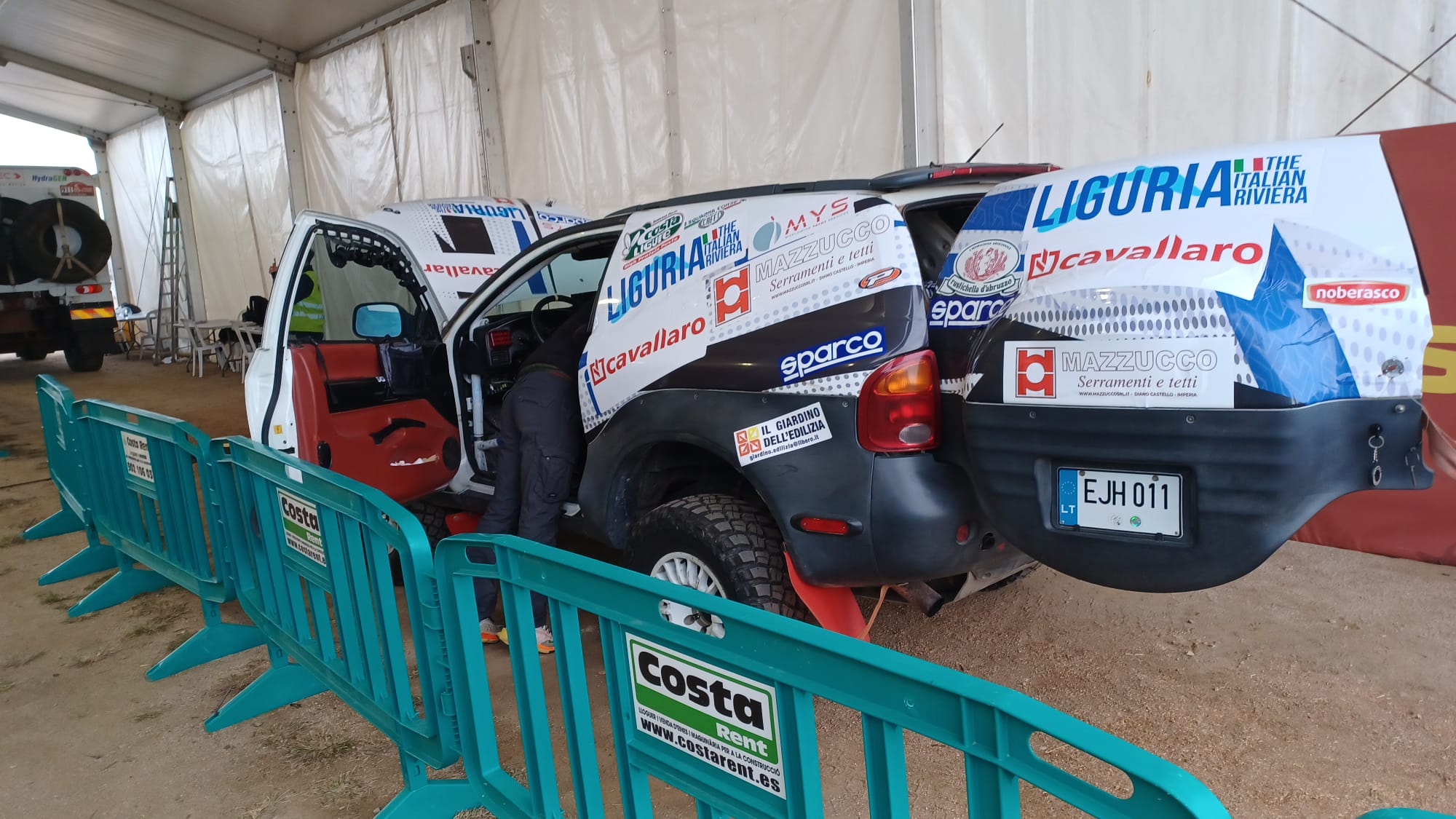
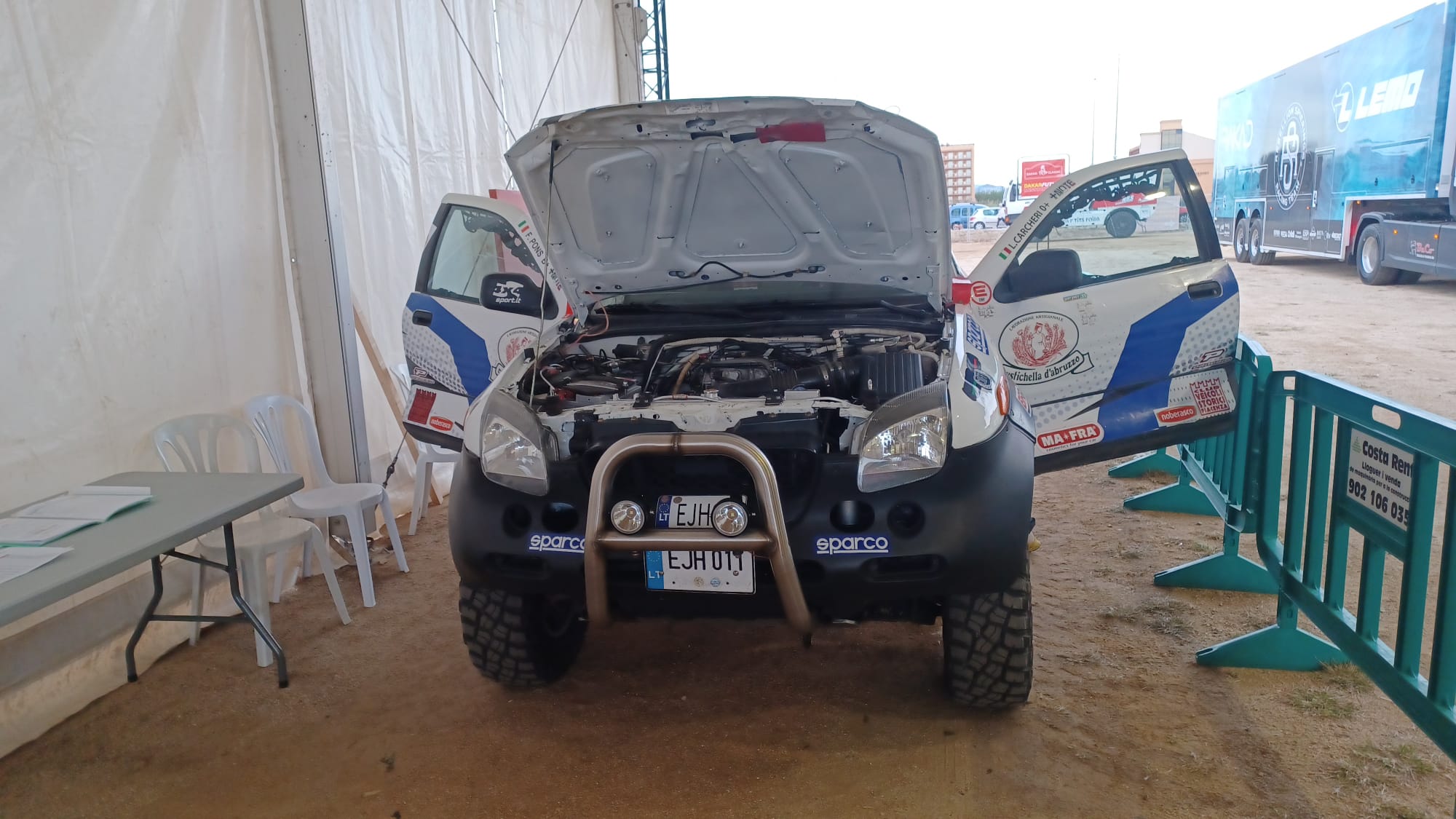
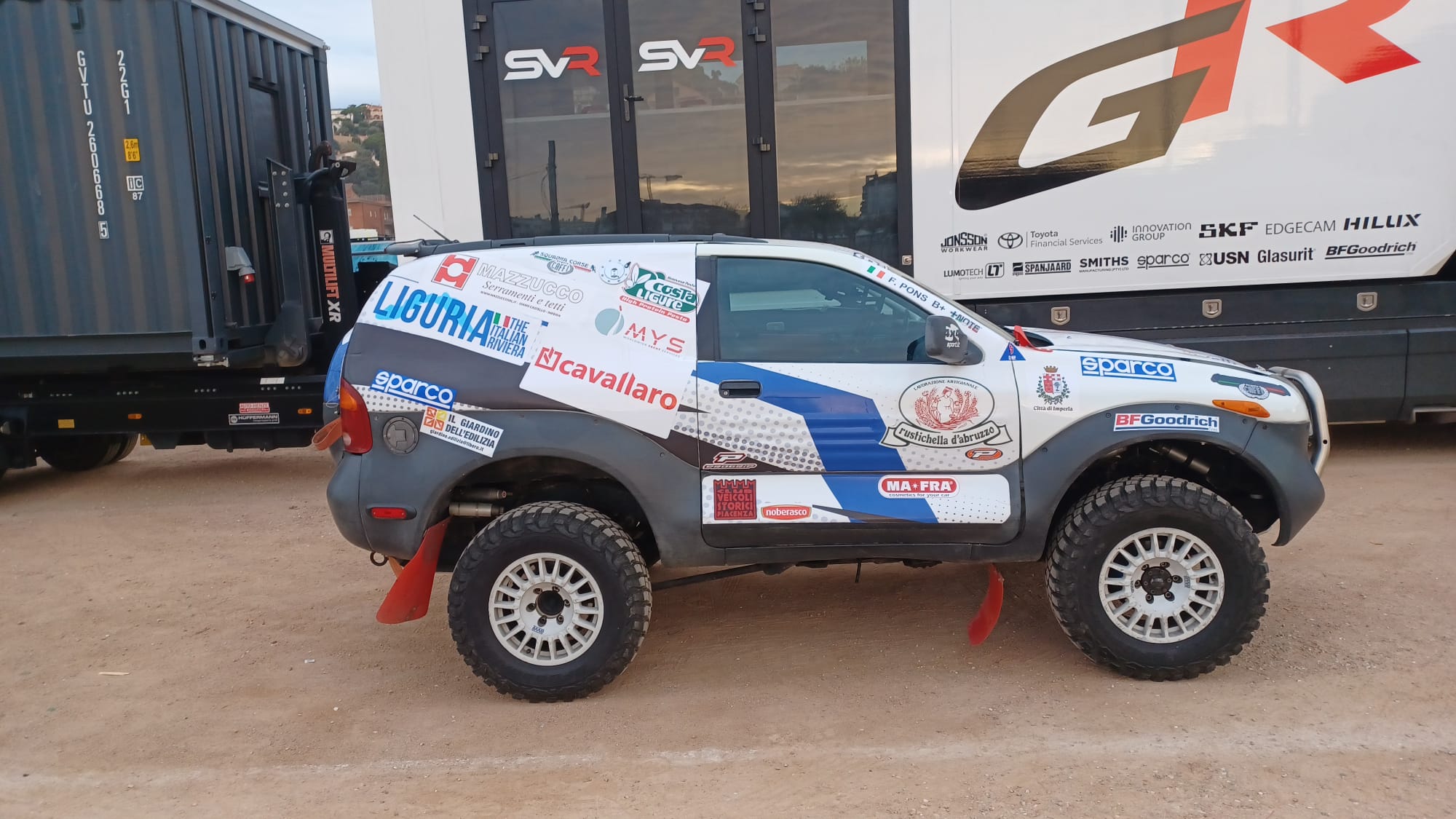

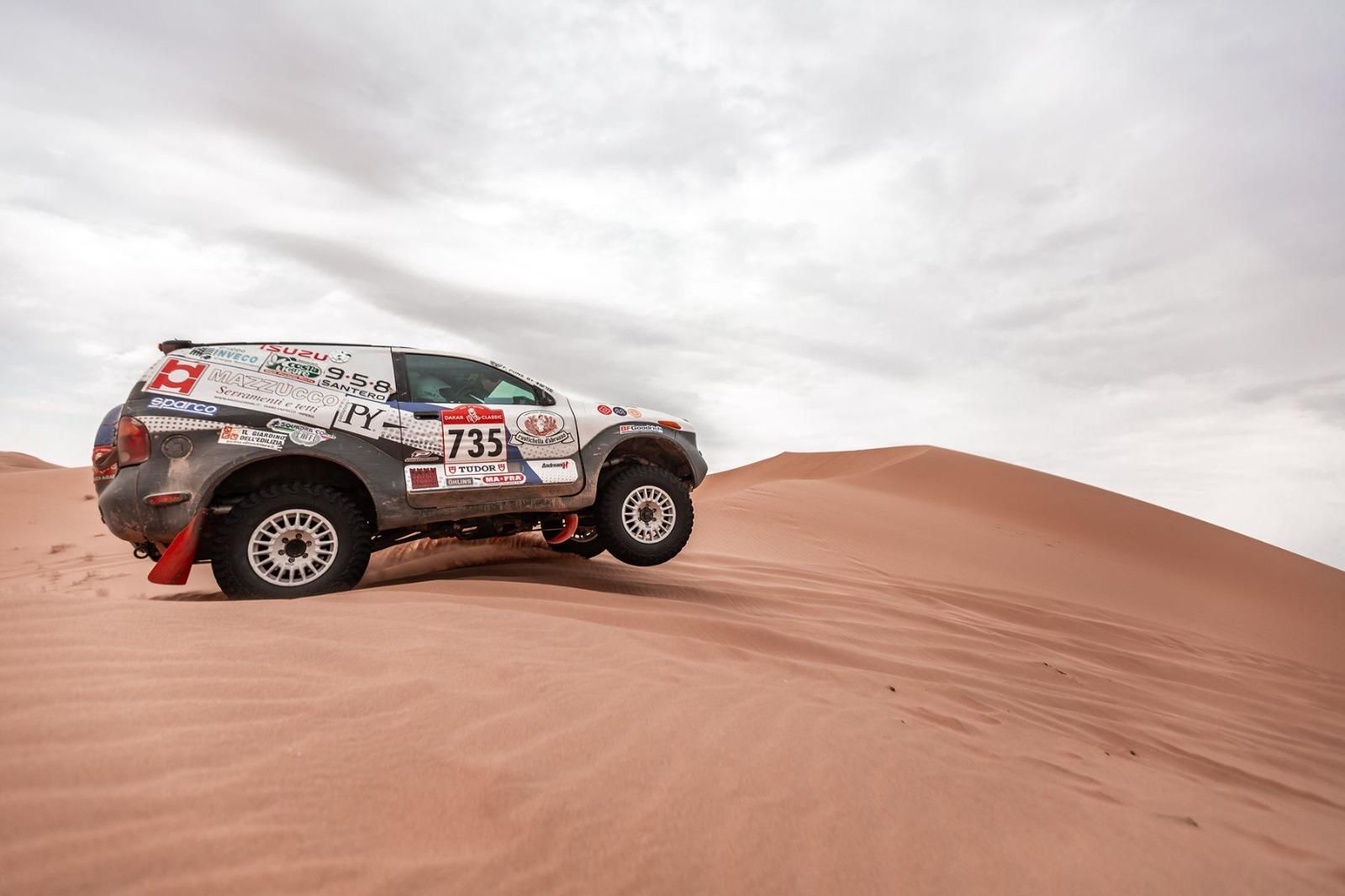


Luciano Carcheri: a life spent off-road, between mechanics and adventure
Luciano Carcheri began racing at the age of 16 with enduro motorcycles. From that moment on, off-road racing became a way of life: first victories, increasingly difficult races, then the natural move to the desert.
His profile is that of a driver who does not delegate mechanics: he lives it. The car is prepared during the year and, at the bivouac, after very long stages, the real work begins. In recent years, he has relied on Team SSP France for logistics, but the technical heart remains a territory that Carcheri knows inch by inch.
Palmarès in brief: 13 Dakars in total (8 on motorcycles, 5 in cars). Best result: 7th place overall in the 2021 Dakar Classic and victory in the H3 petrol category.
Fabrizia Pons: absolute navigation, talent, and history of world rallying
To recount Fabrizia Pons' career is to traverse decades of motorsport. Her passion began in the 1970s, first in motocross and then in rallying, until she chose the role that would make her a legend: co-driving.
She has competed in over 400 races and co-driven in contexts ranging from the WRC to rally raids, working with iconic manufacturers and teams and alongside legendary drivers.
In the Dakar Classic, where precision is more important than aggression, his experience becomes a real competitive advantage: roadbooks, pace, mental control, the ability to stay clear-headed when fatigue sets in.
Mafra technical partner: when products really make the difference
At the Dakar Classic, mechanics are not a detail: they are survival. For a driver-mechanic, being able to count on reliable, fast, and functional products is essential. Mafra accompanies crew #719 with a targeted selection of technical solutions designed to work in extreme conditions, at the bivouac, in the desert, without wasting time or resources.
Engine care and temperature management

ALU FLU ROSSO – Coolant essential for maintaining a stable engine temperature during the hottest stages and long journeys. In a context such as the Dakar Rally, preventing overheating means protecting the engine and increasing the chances of reaching the finish line.
Visibility and safety
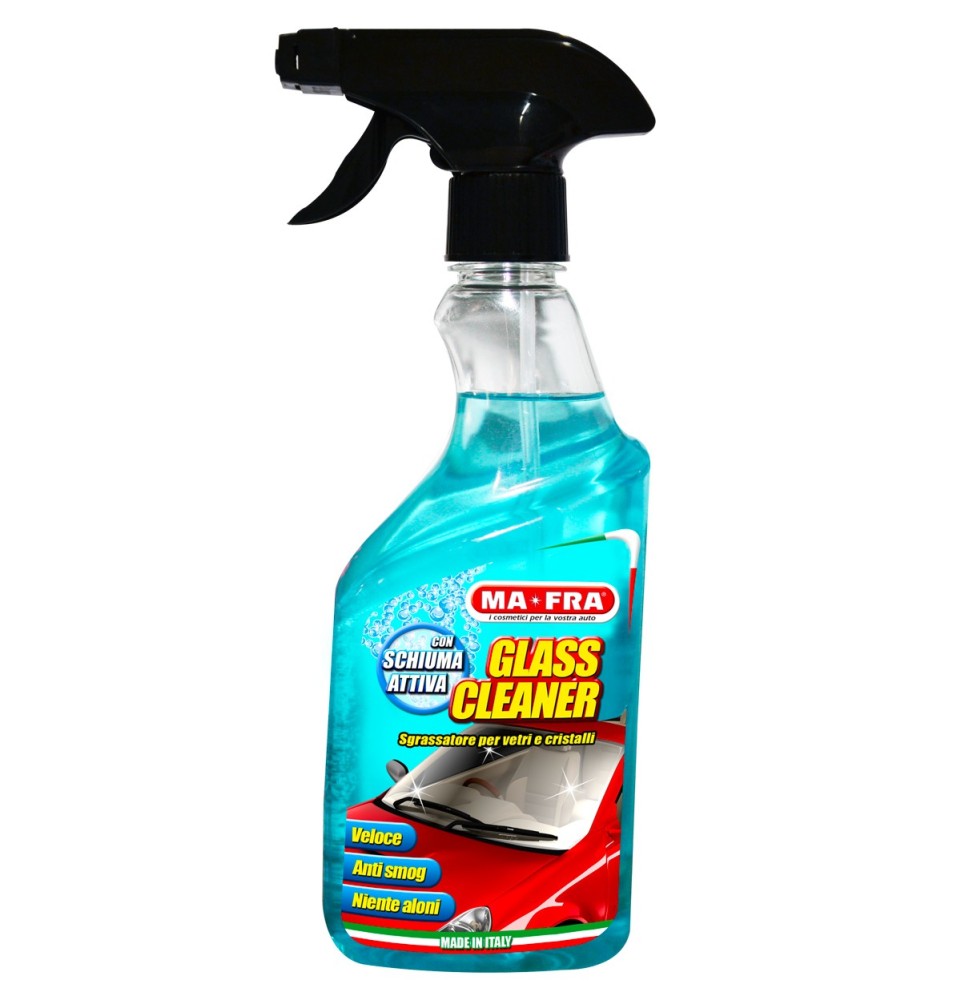
Glass Cleaner
GLASS CLEANER – In the desert, visibility is everything. Dust, sand, and debris quickly compromise the windshield. Ensuring perfectly clean windows reduces glare and reflections and supports driving and navigation precision.
Cleaning without water

Waterless - Wash and polish your car without water
WATERLESS – When water is a limited resource, rinse-free cleaning becomes strategic. It allows dirt and dust to be removed from the bodywork, while also improving visual inspection of the vehicle.
Operational support at the bivouac
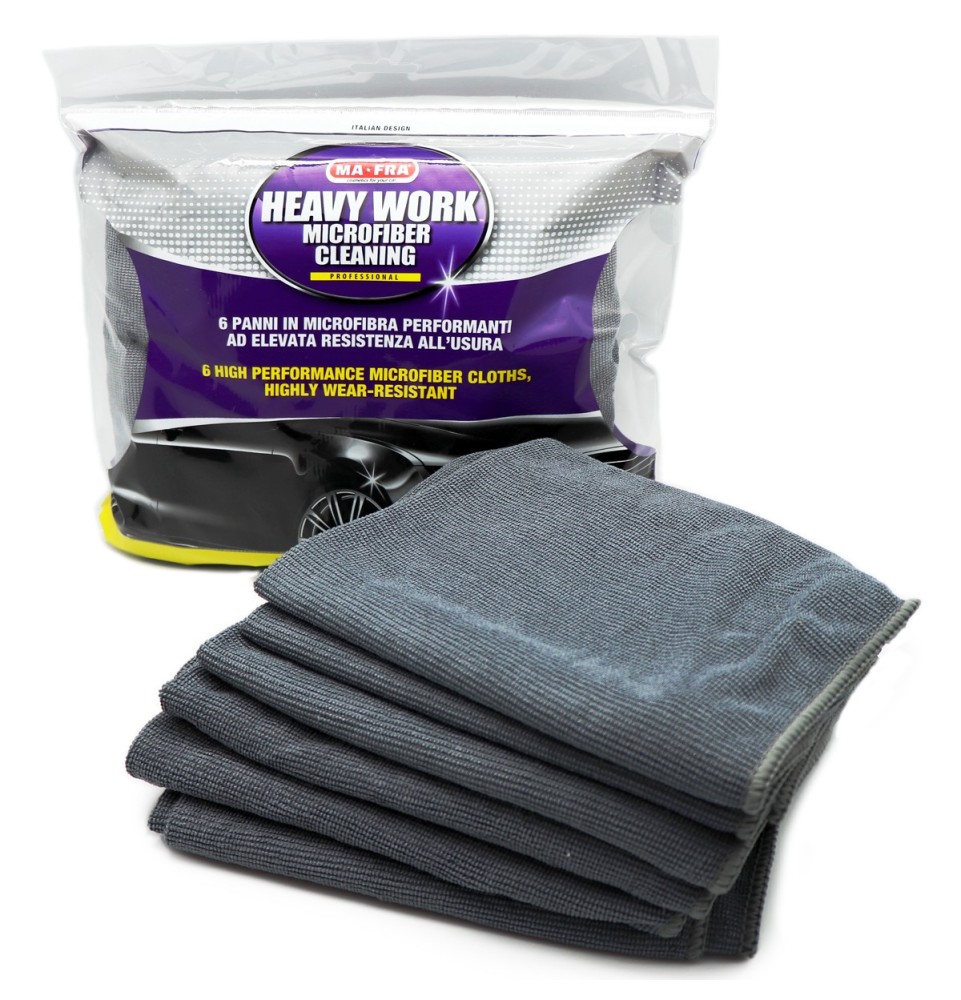
Heavy Work
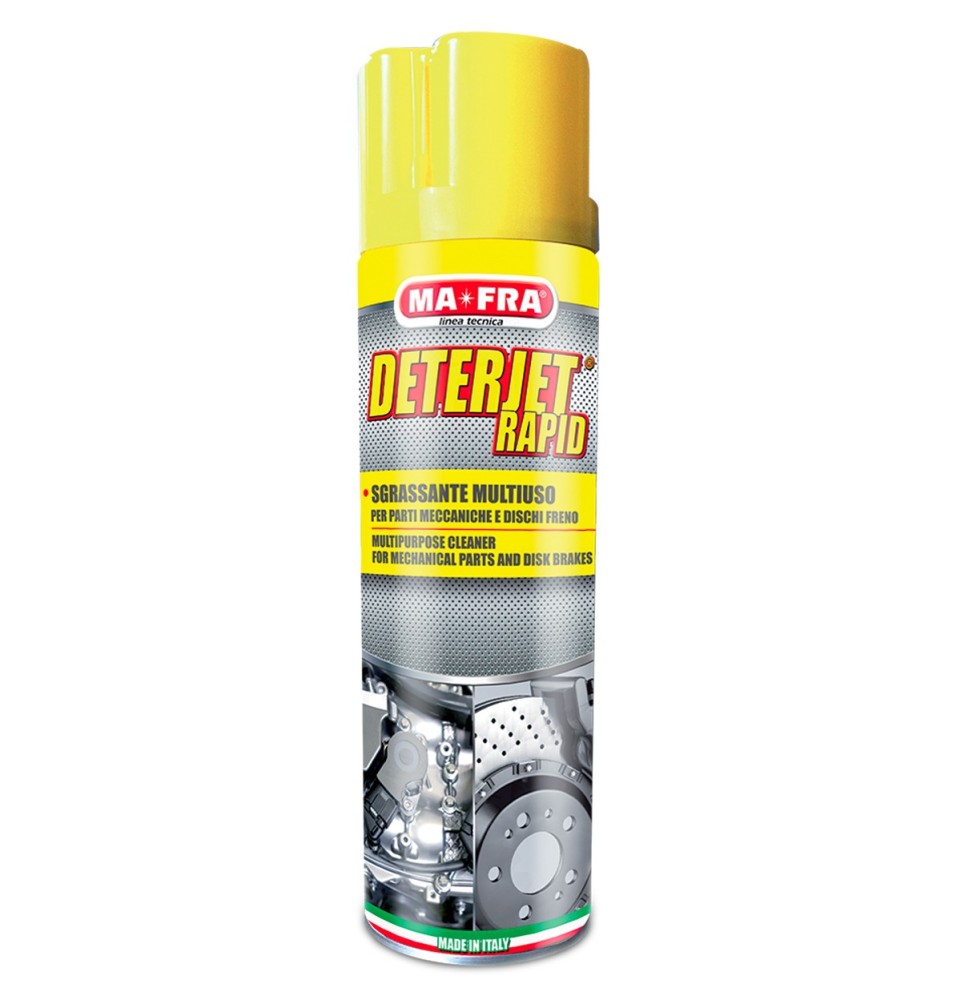
Deterjet Rapid Spray

- HEAVY WORK cloths – Highly resistant cloths , designed for heavy-duty work on mechanical parts and very dirty surfaces.
- DETERJET RAPID SPRAY – Ready-to-use degreaser ideal for quick and thorough cleaning of mechanical parts, joints, and components exposed to sand and oil. Perfect for evening work at camp when time is short and immediate results are needed.
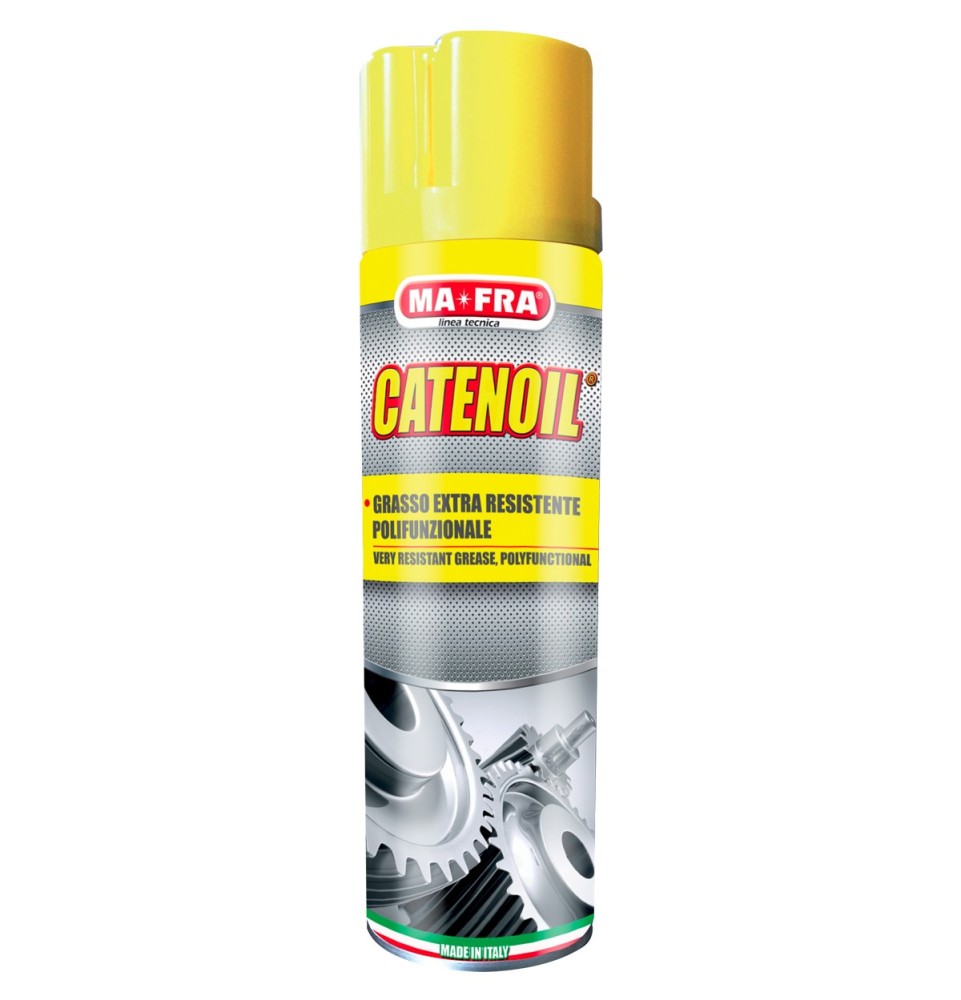
- Catenoil – Spray lubricant for precision work, useful for protecting and maintaining the smooth running of mechanical parts subject to stress, sand, and nighttime humidity.
- Hand Cleaner Paste – Essential for drivers and mechanics: effectively removes grease, oil, and residue after hours of work, day after day.