In this guide, we'll show you how to remove glue and tar from your car's body in a simple and effective way.
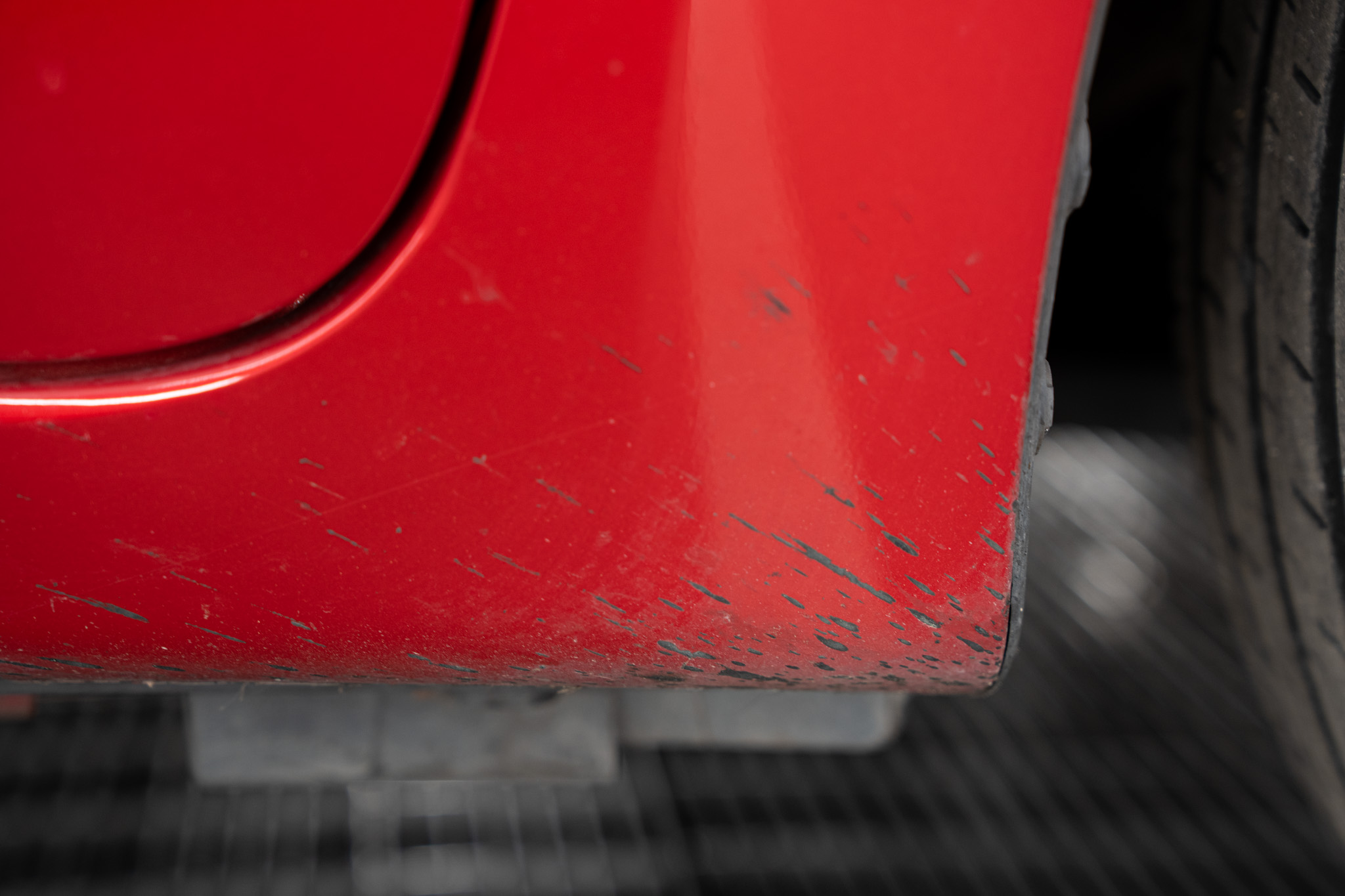
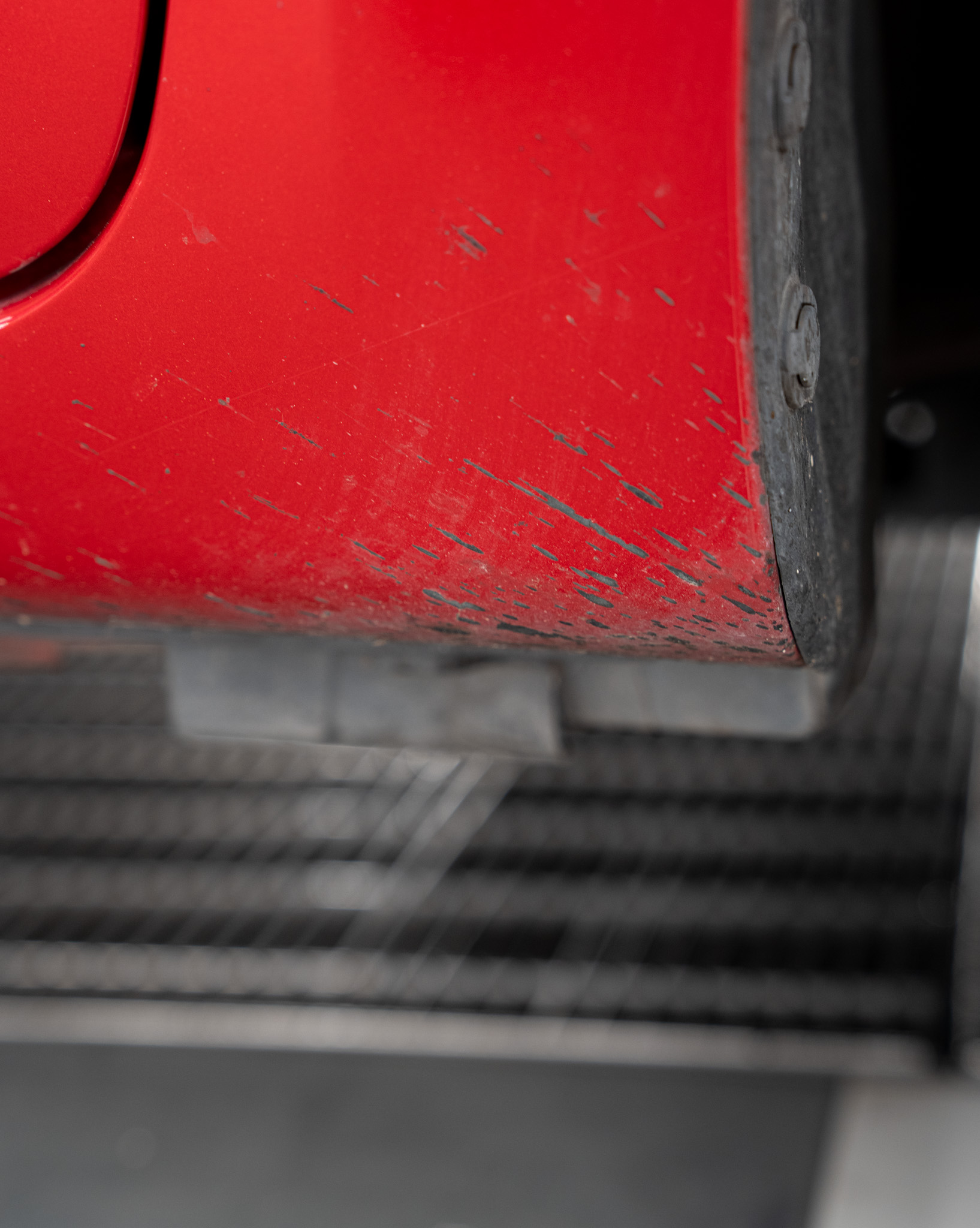
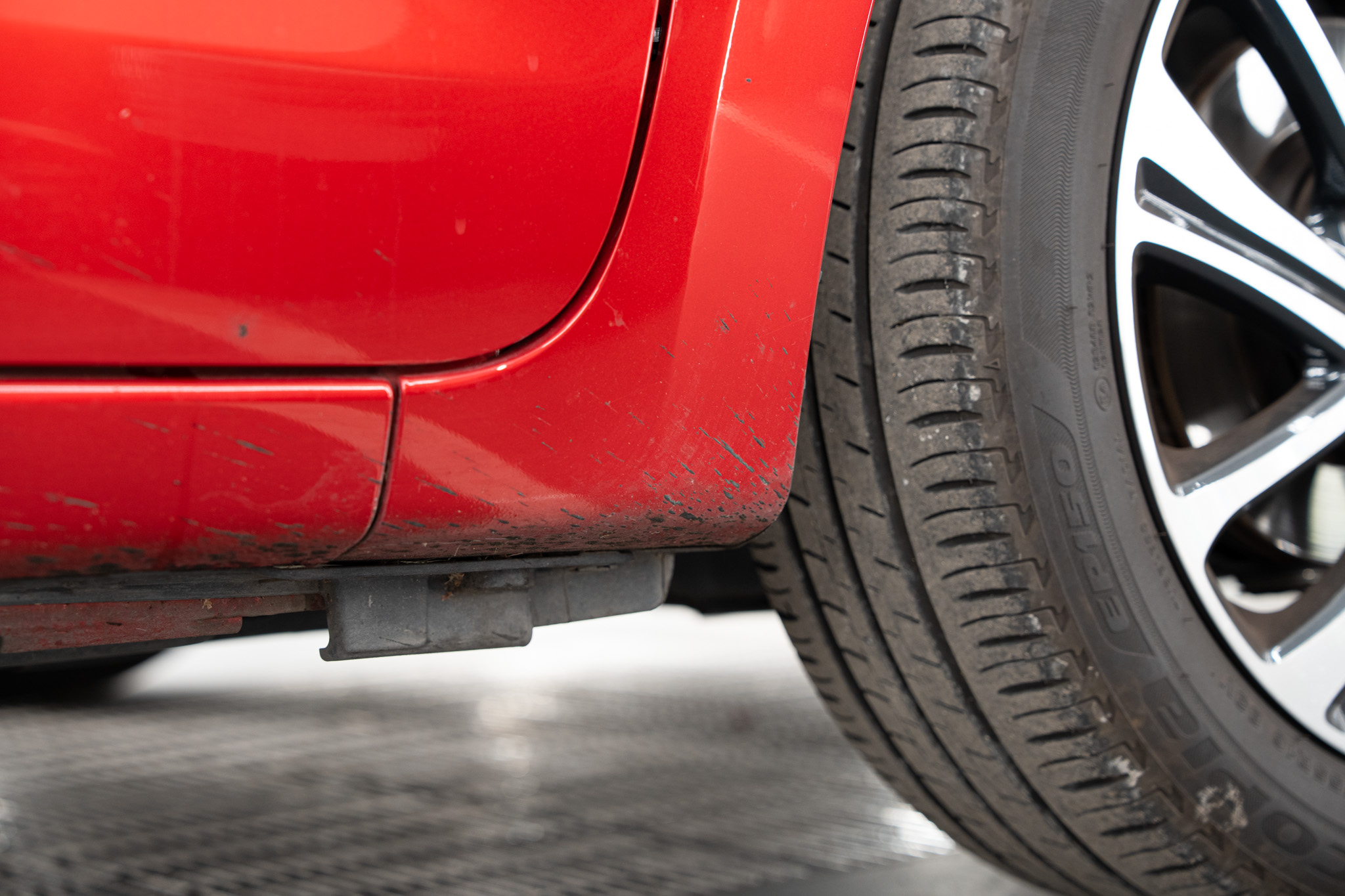
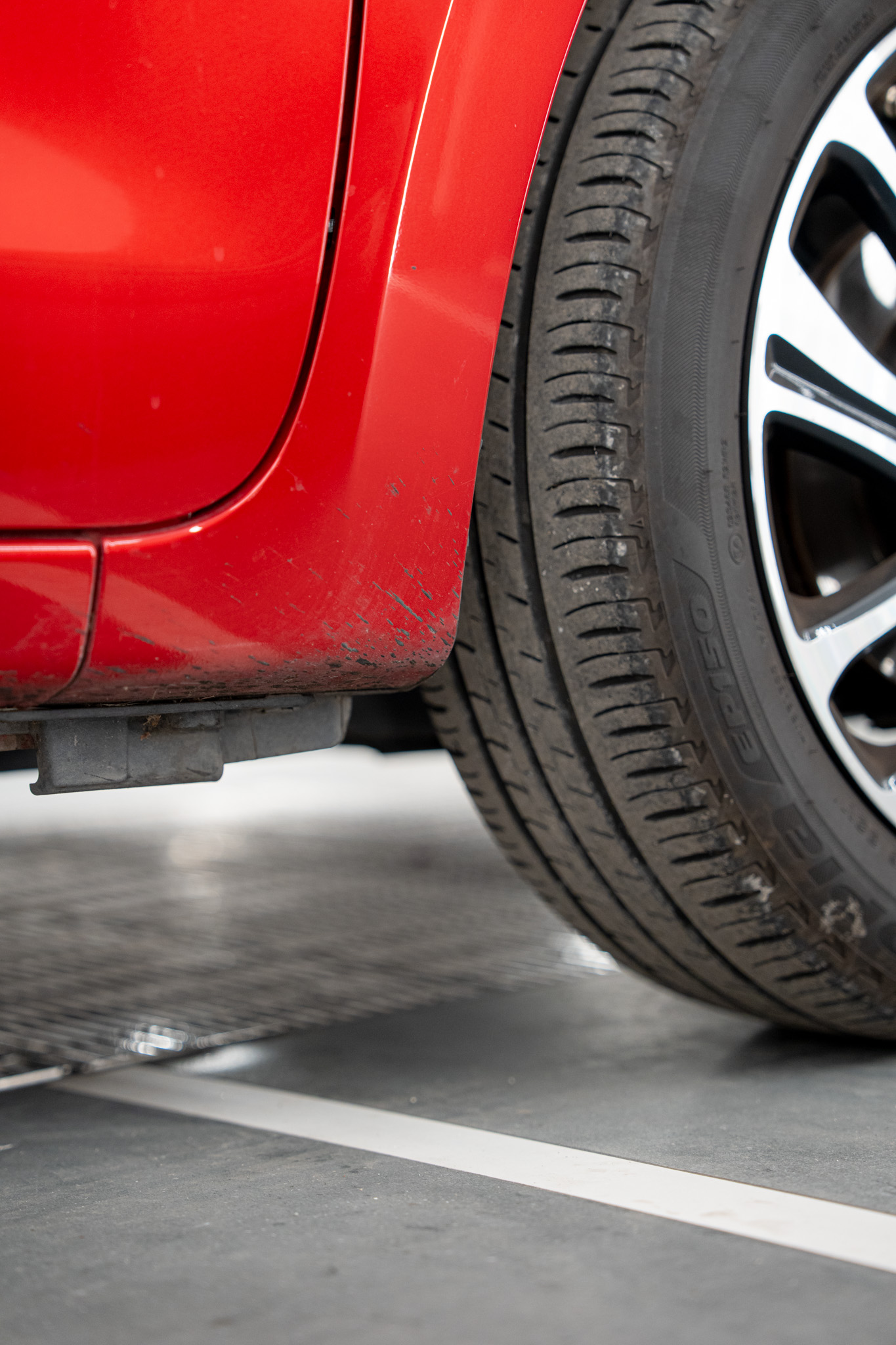
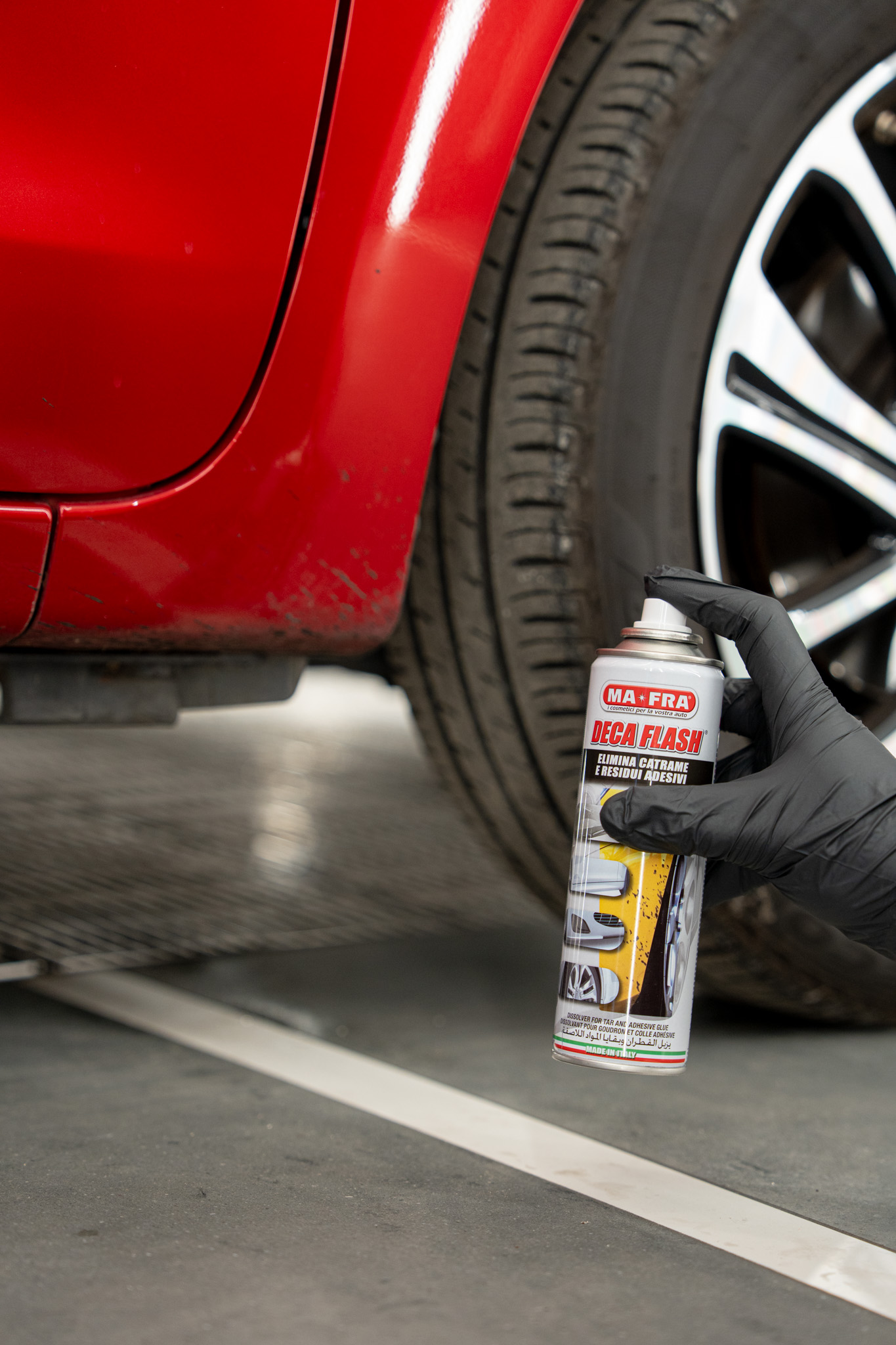
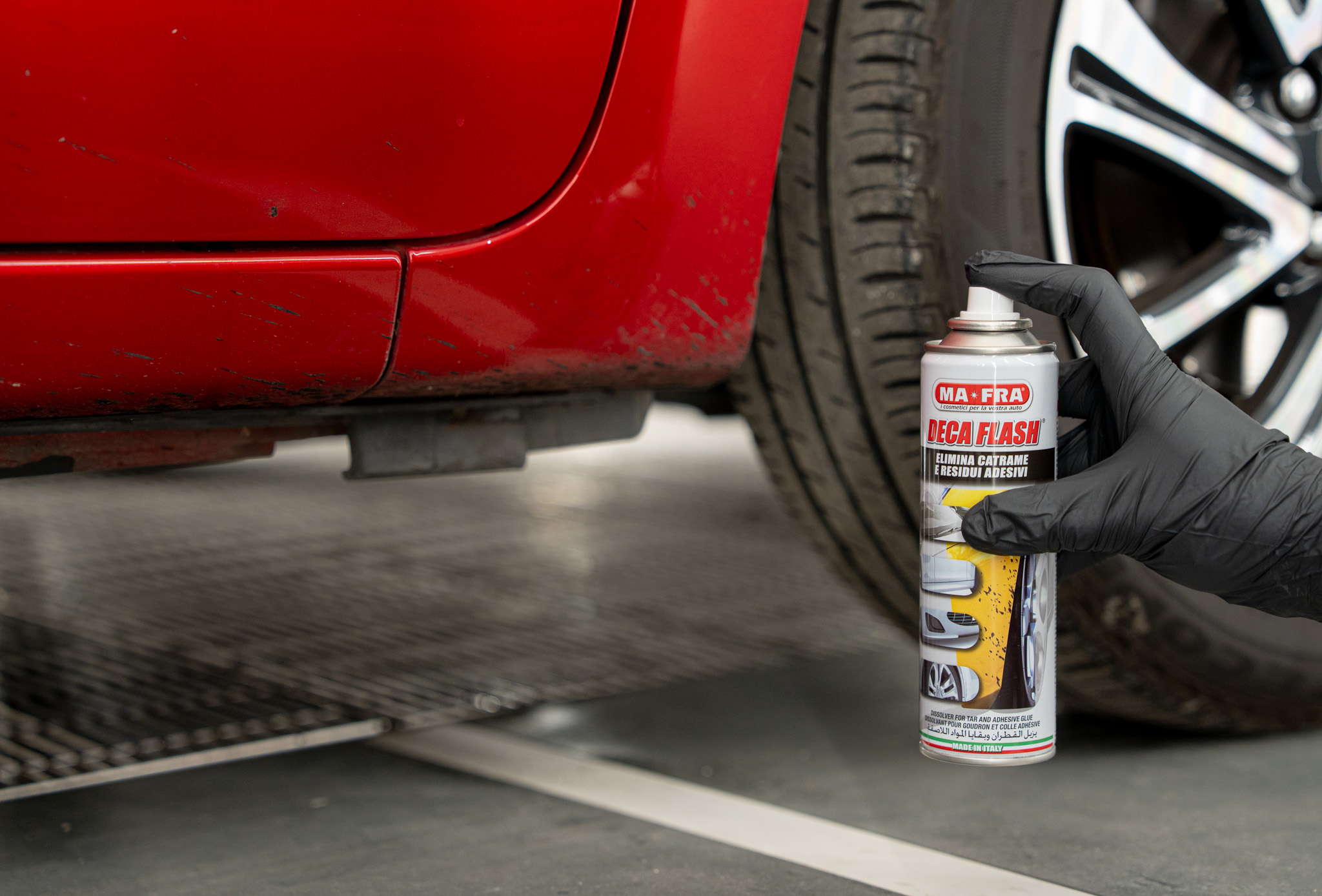
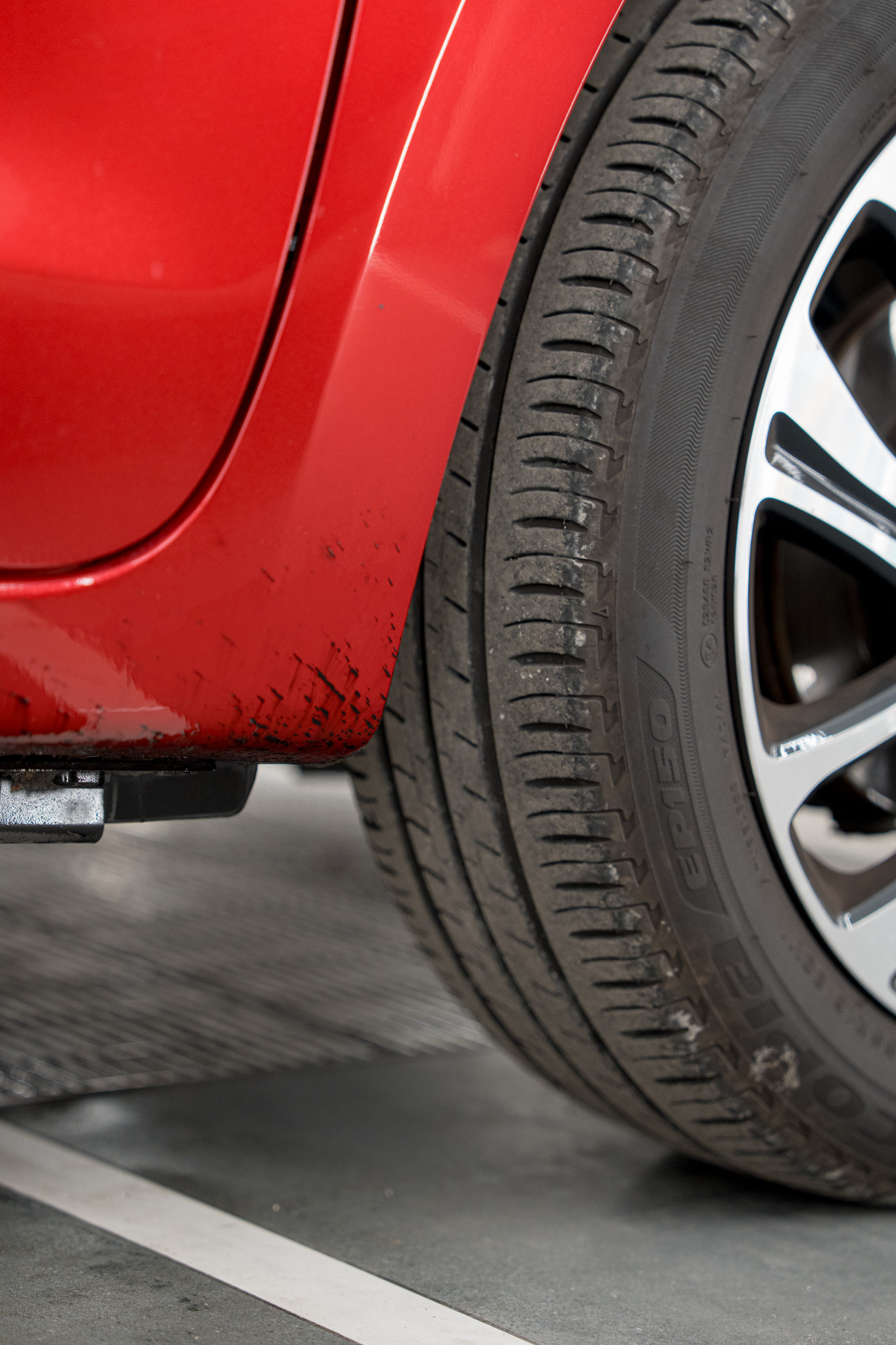
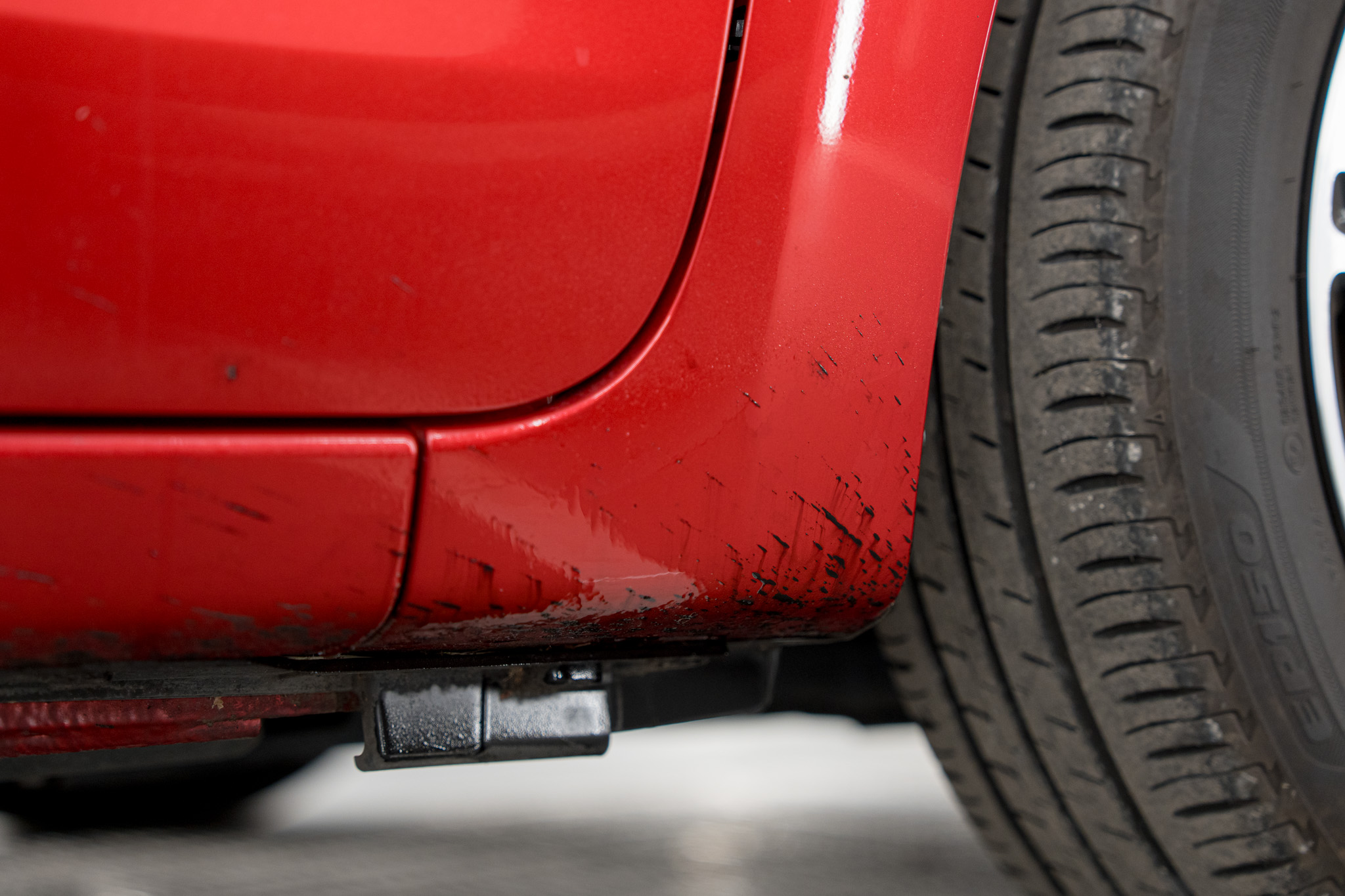
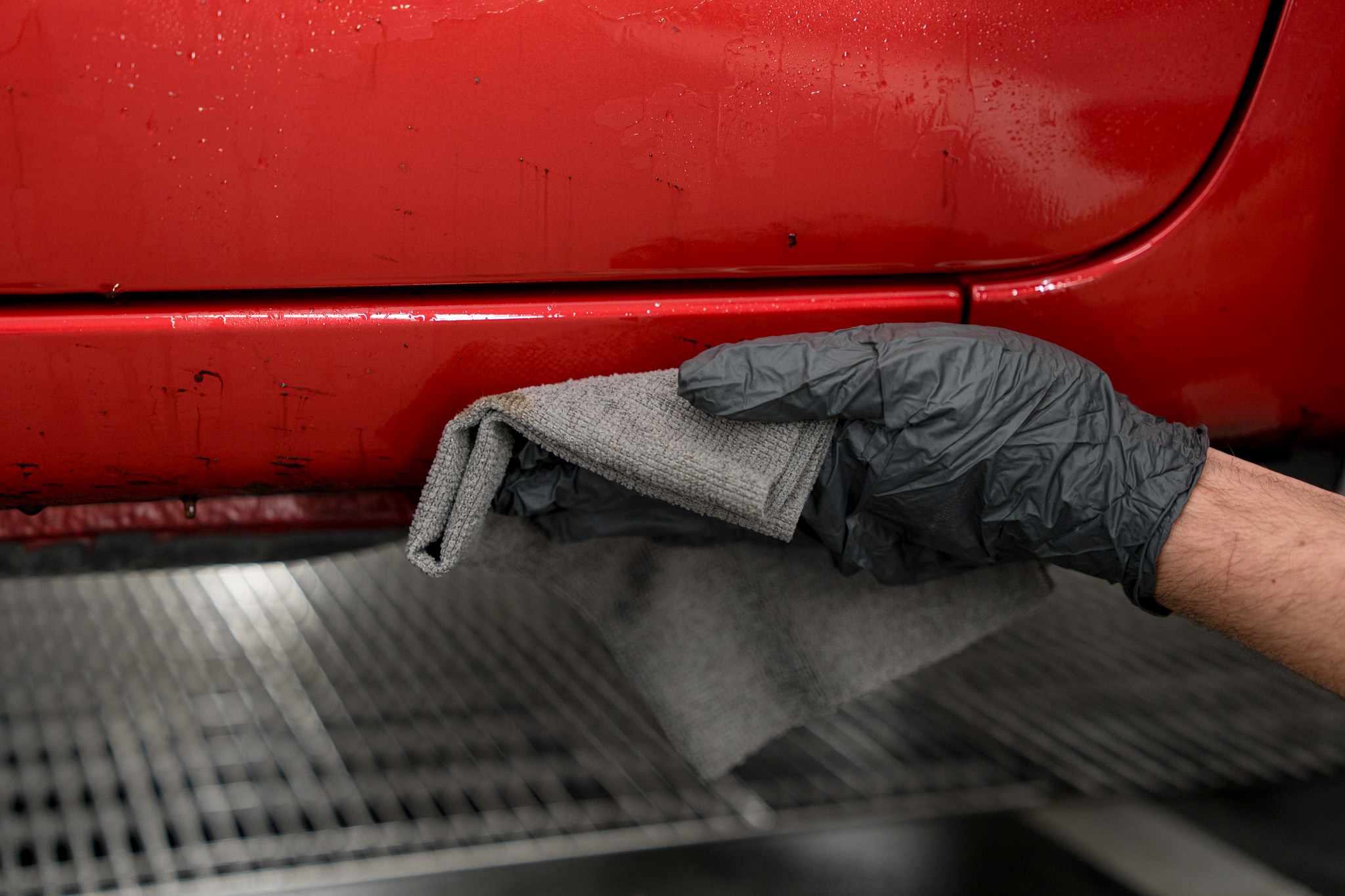
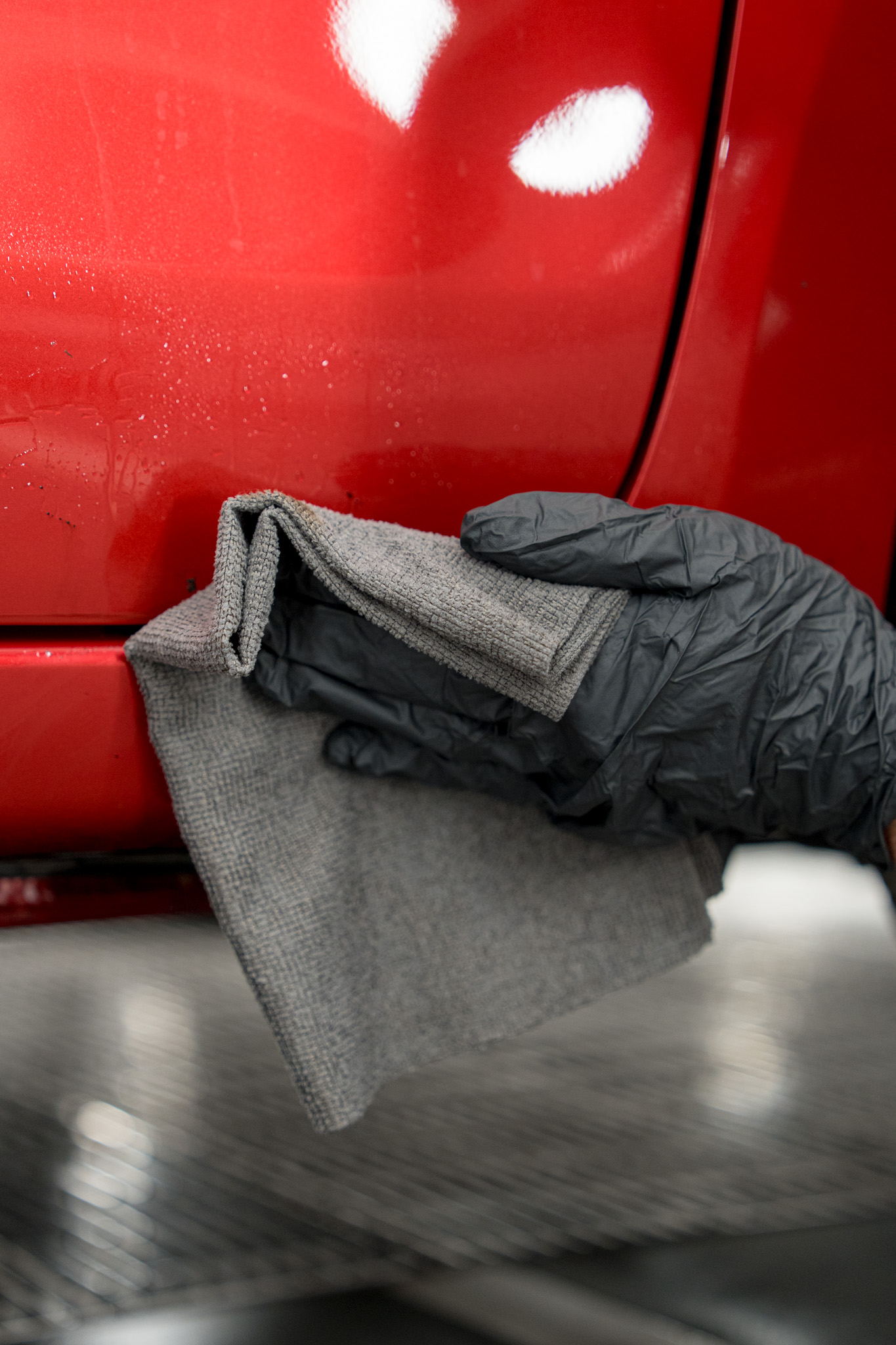
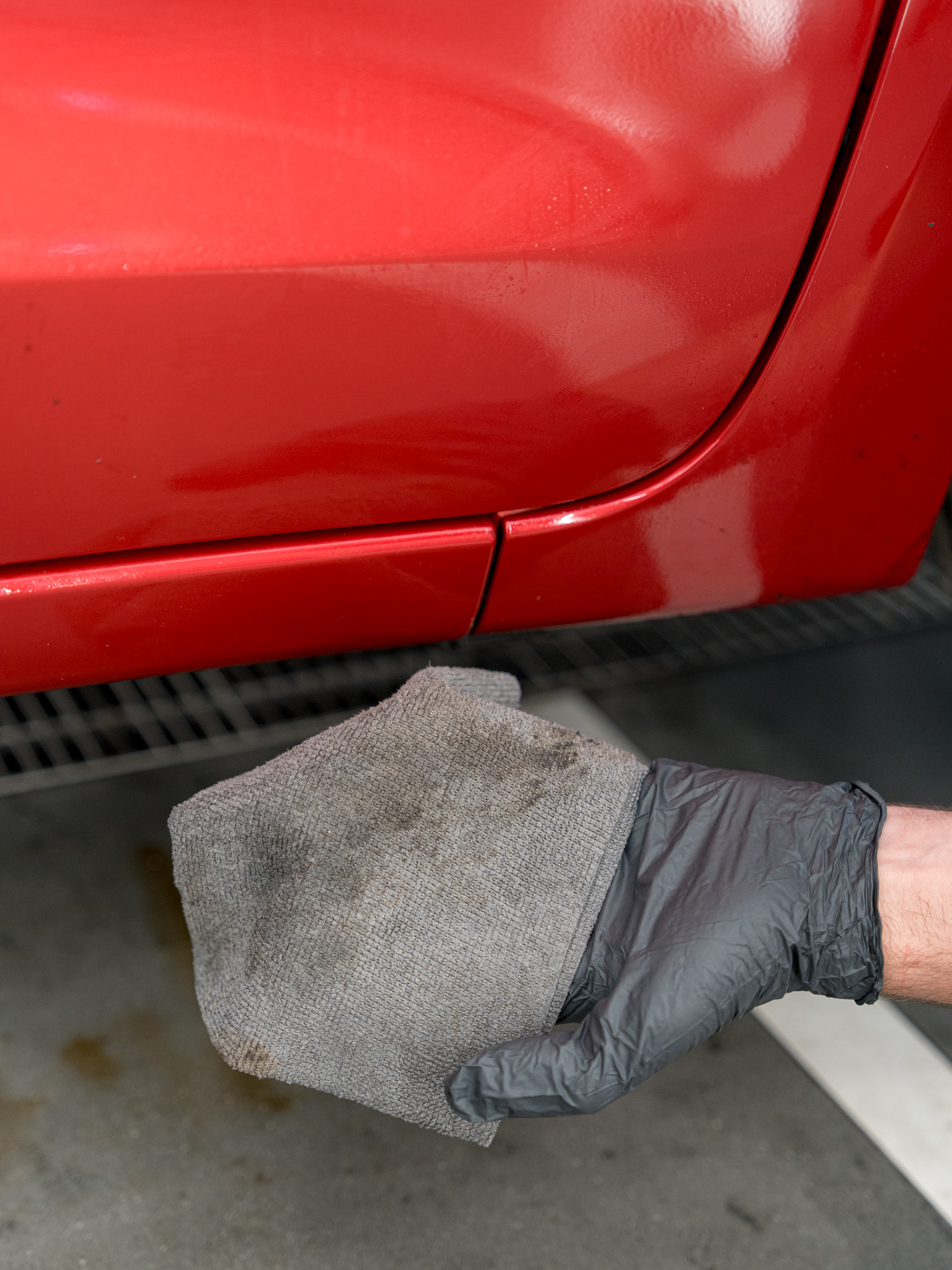
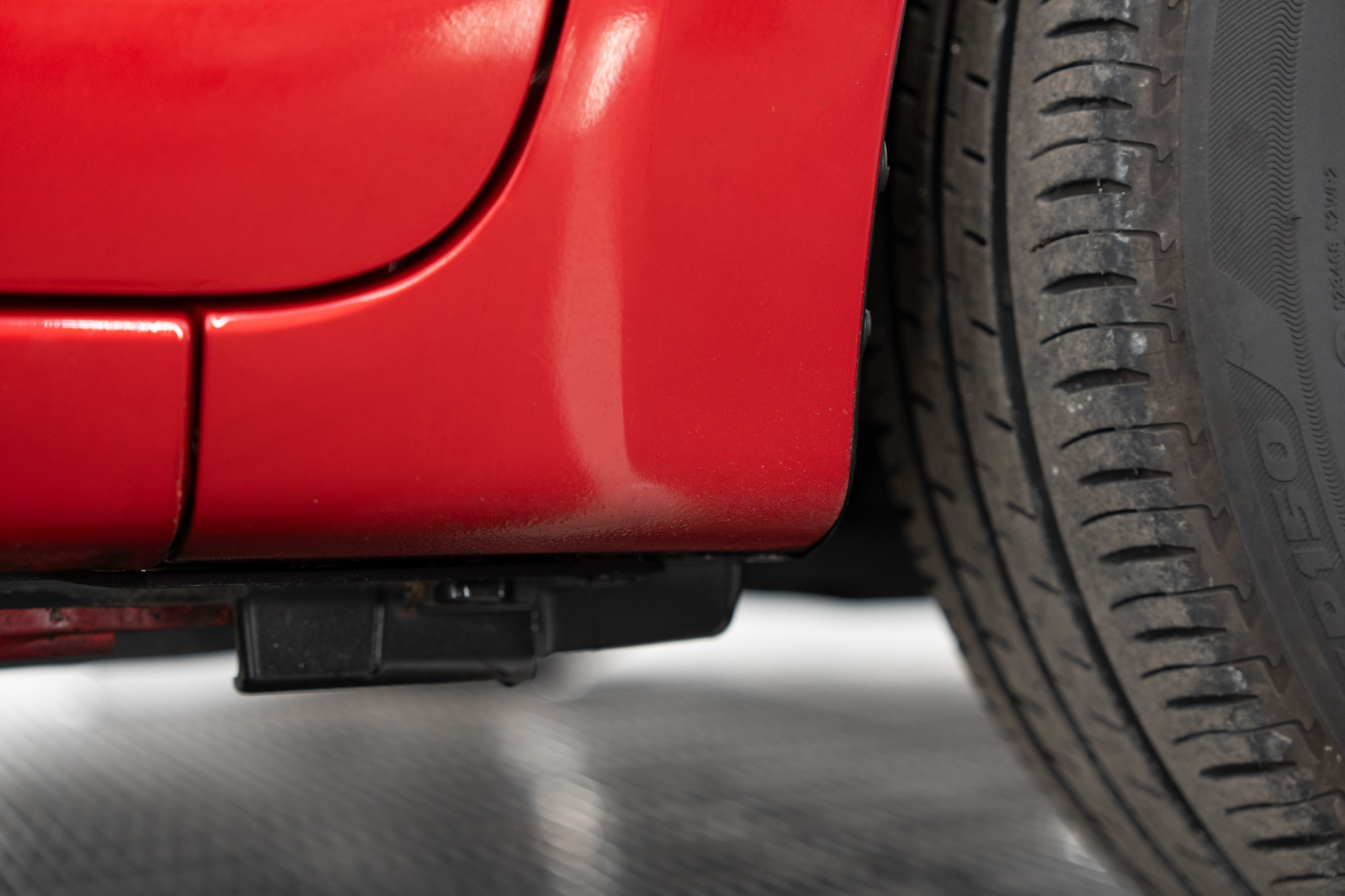
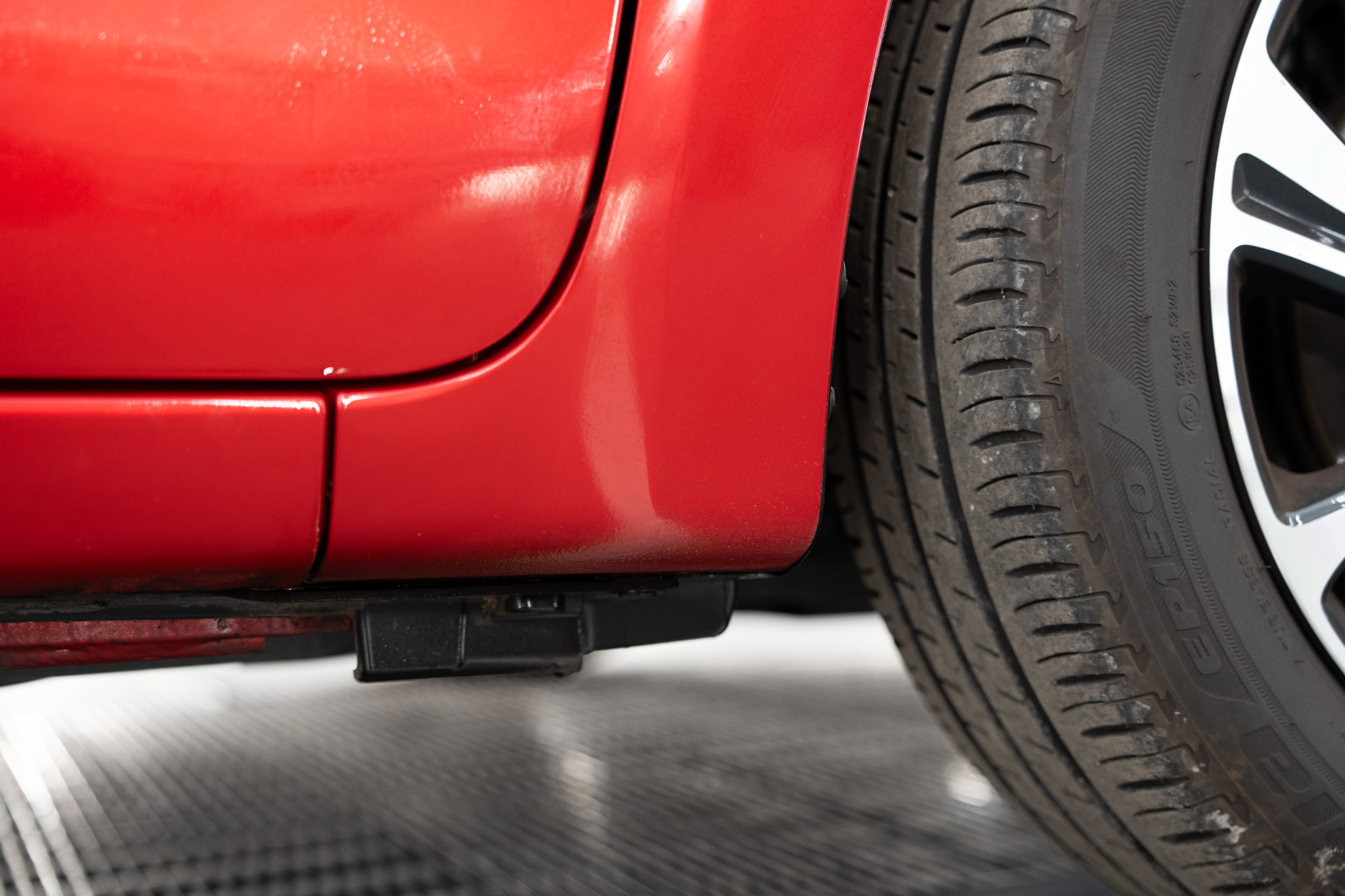
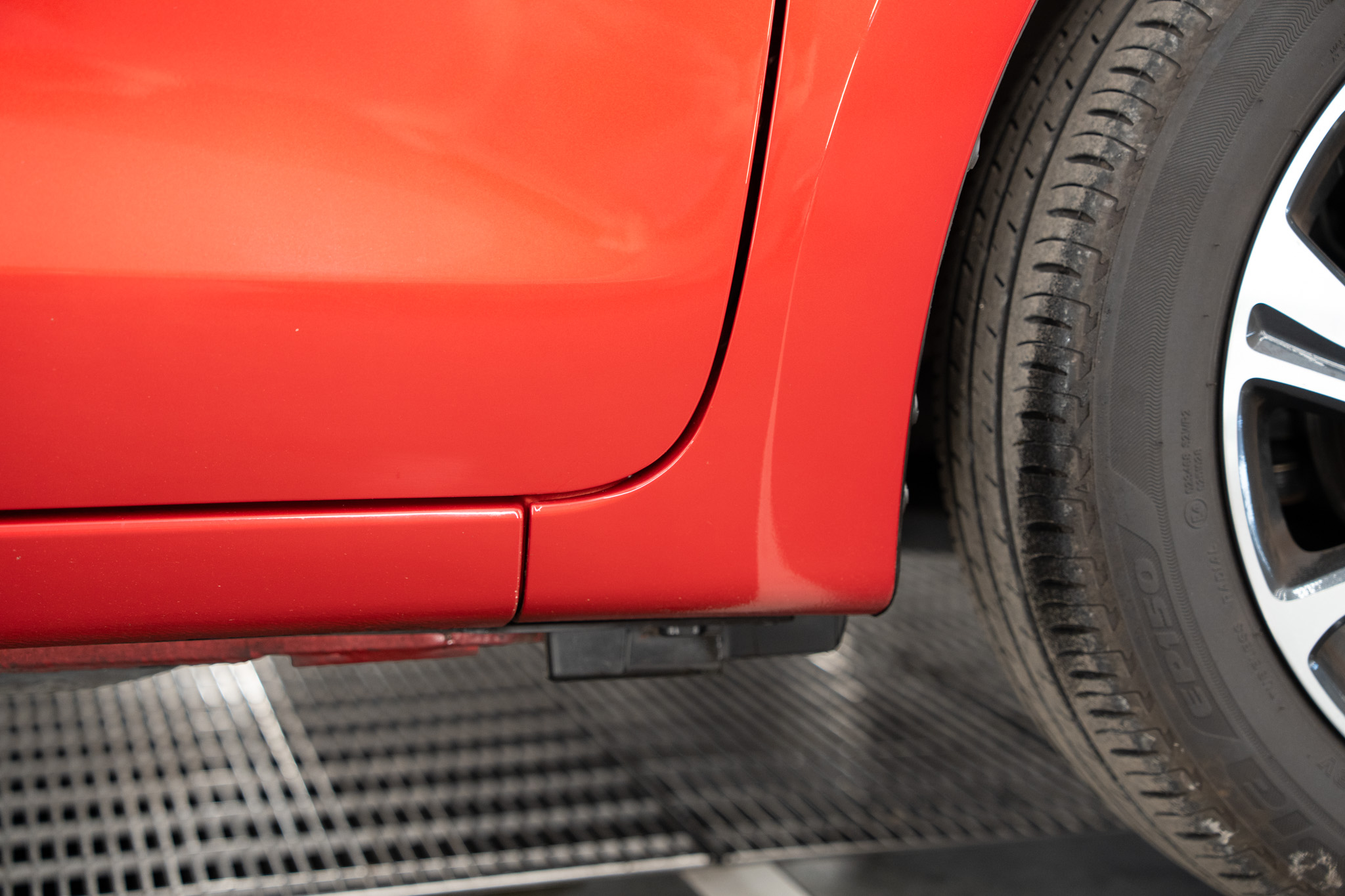
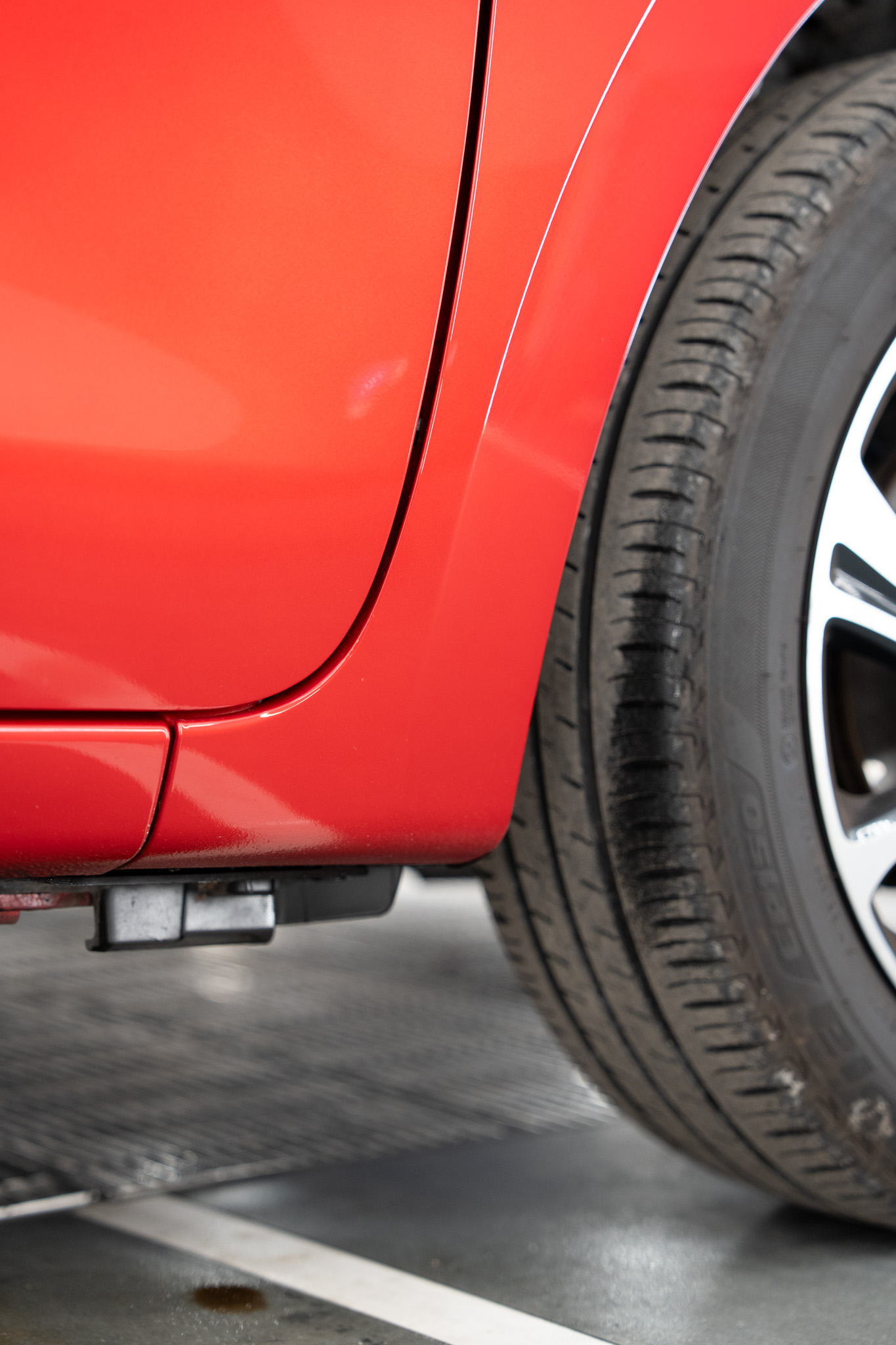
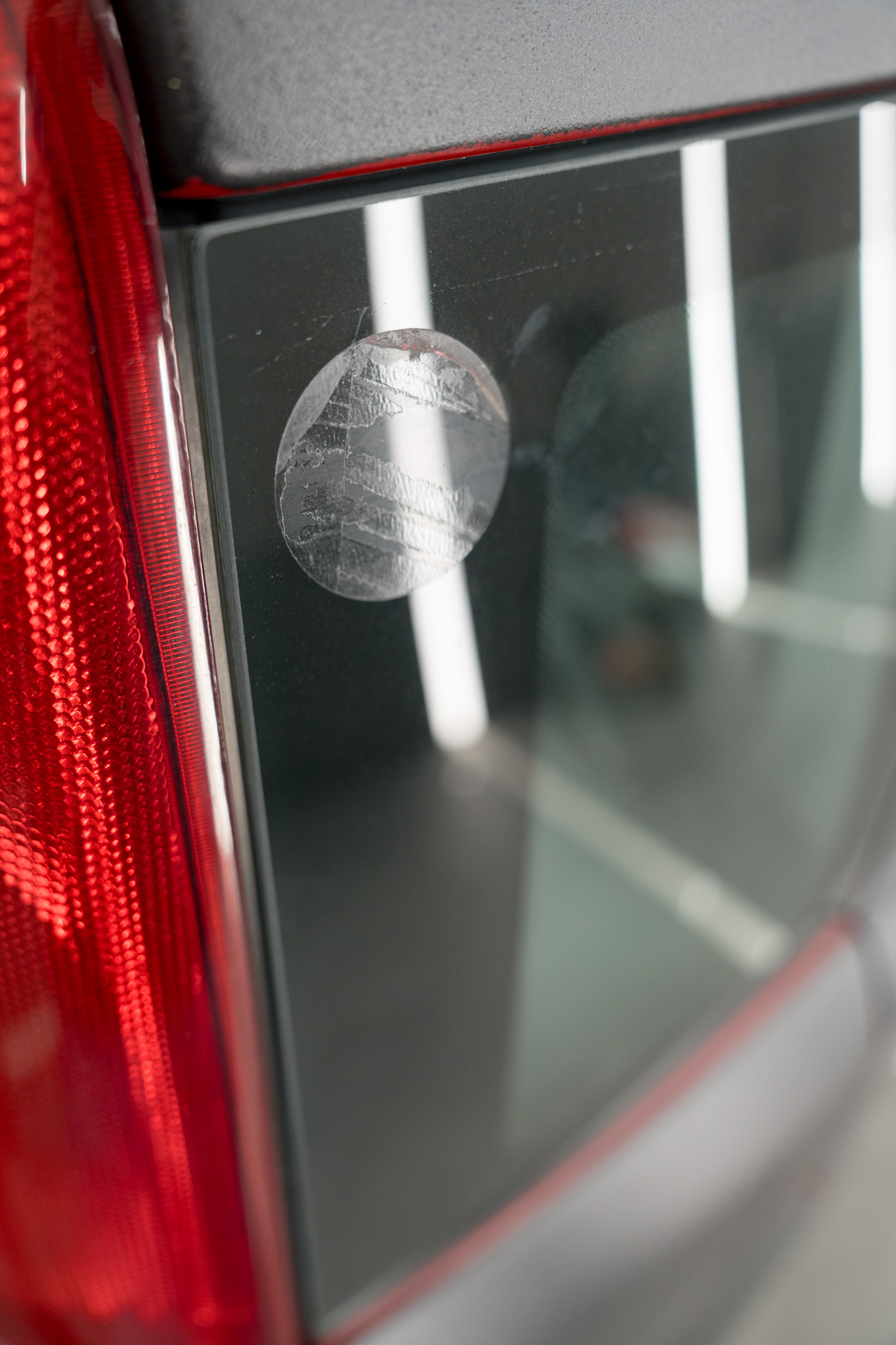
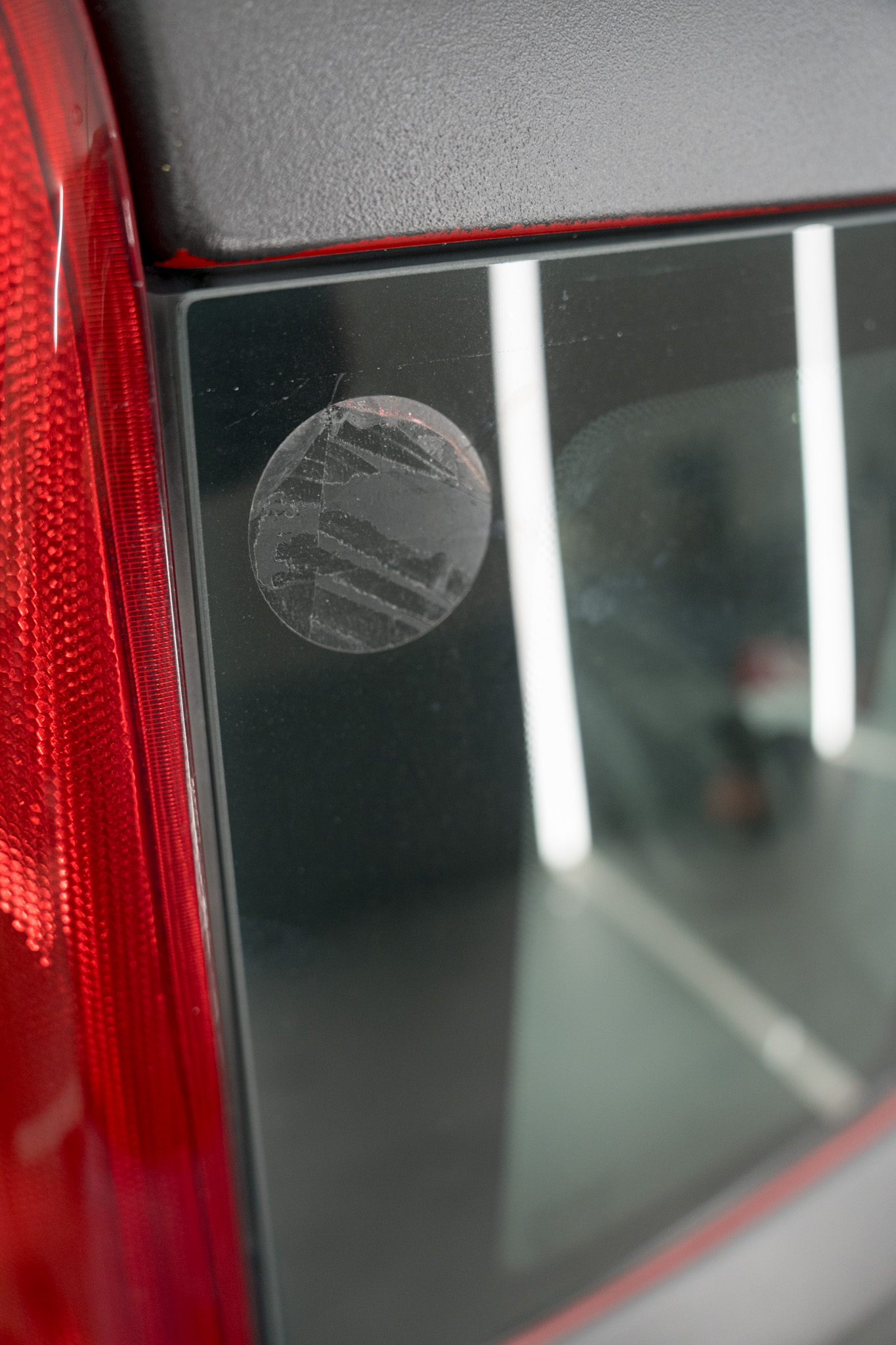
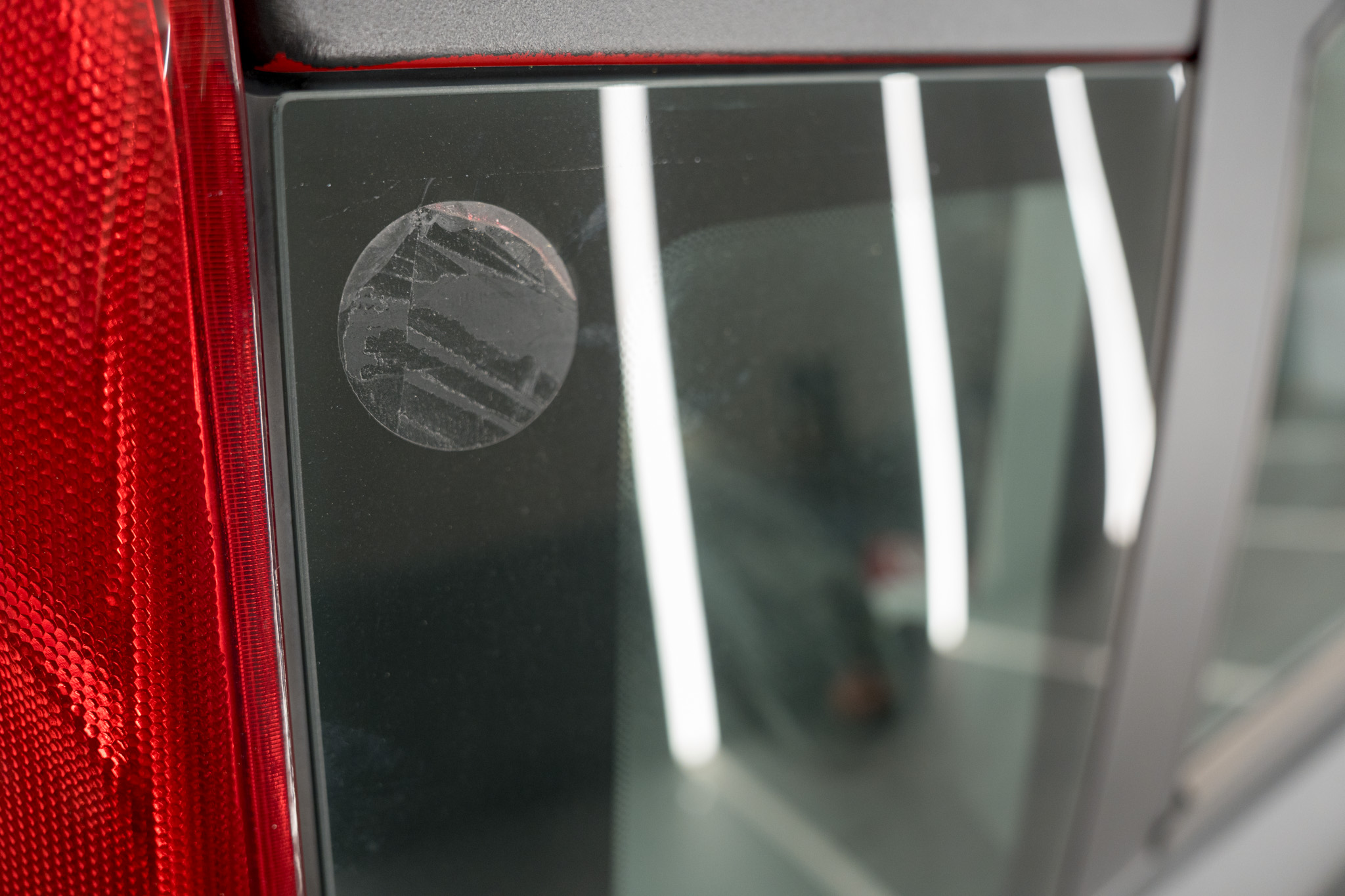
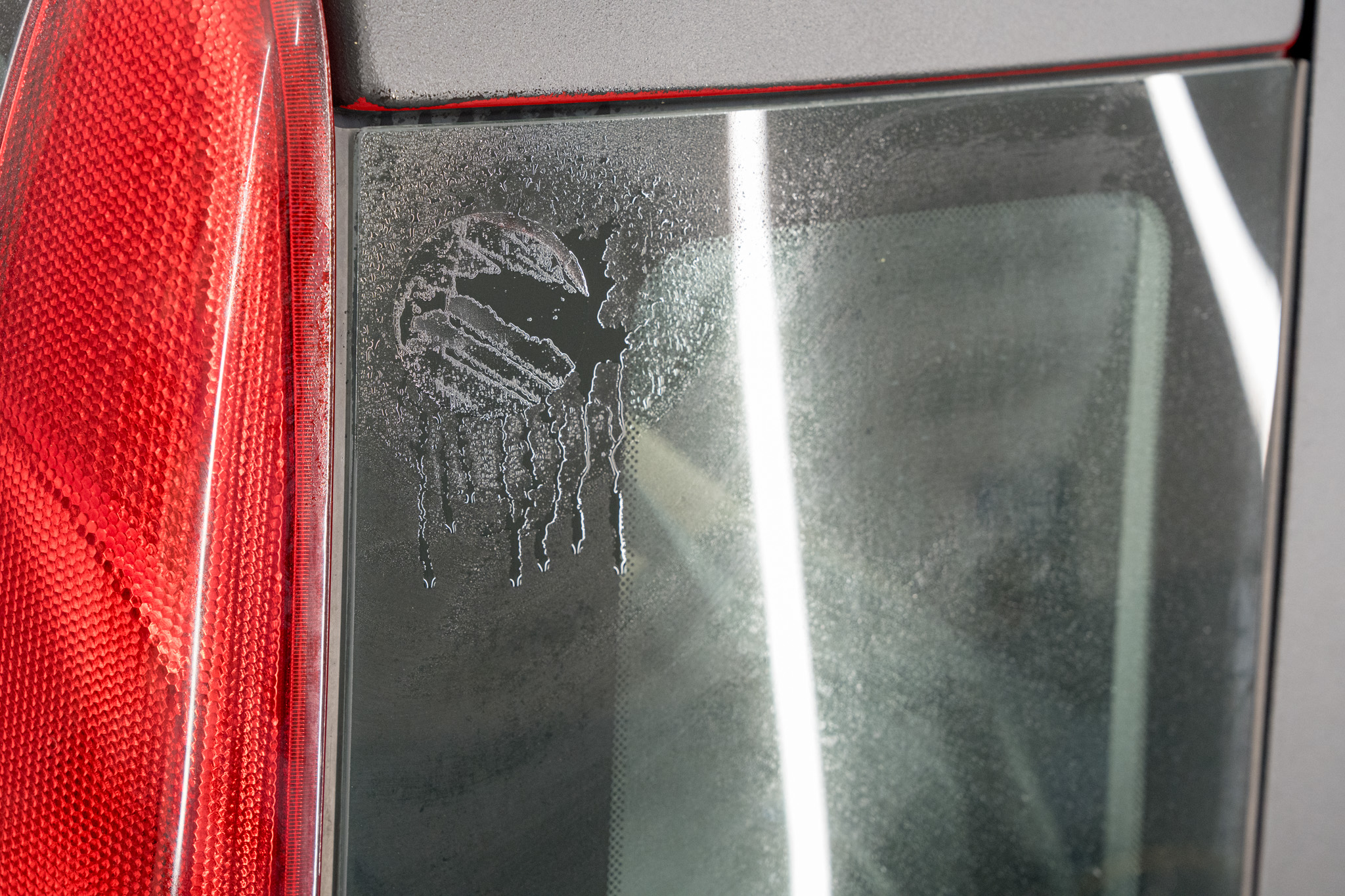
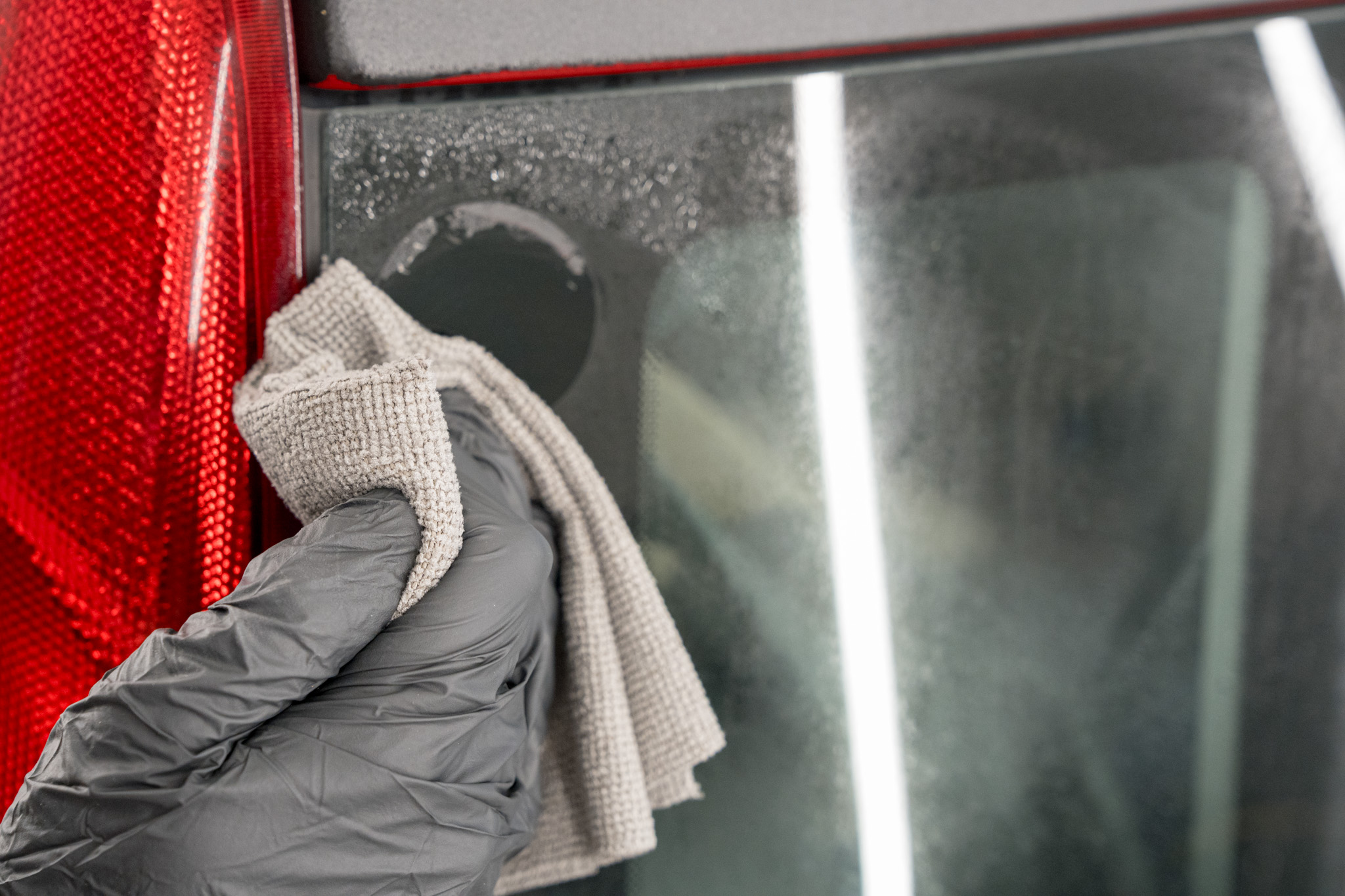
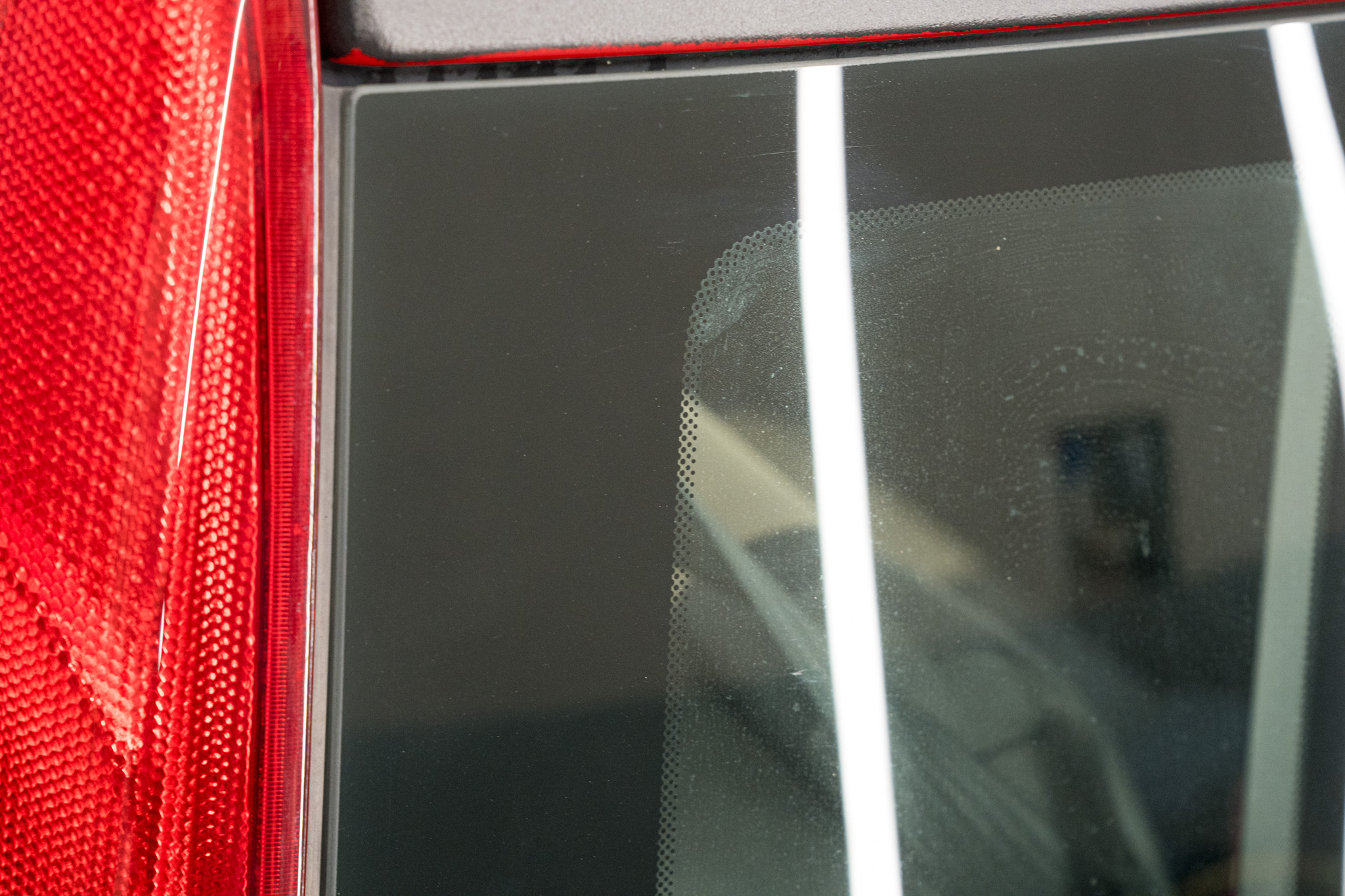
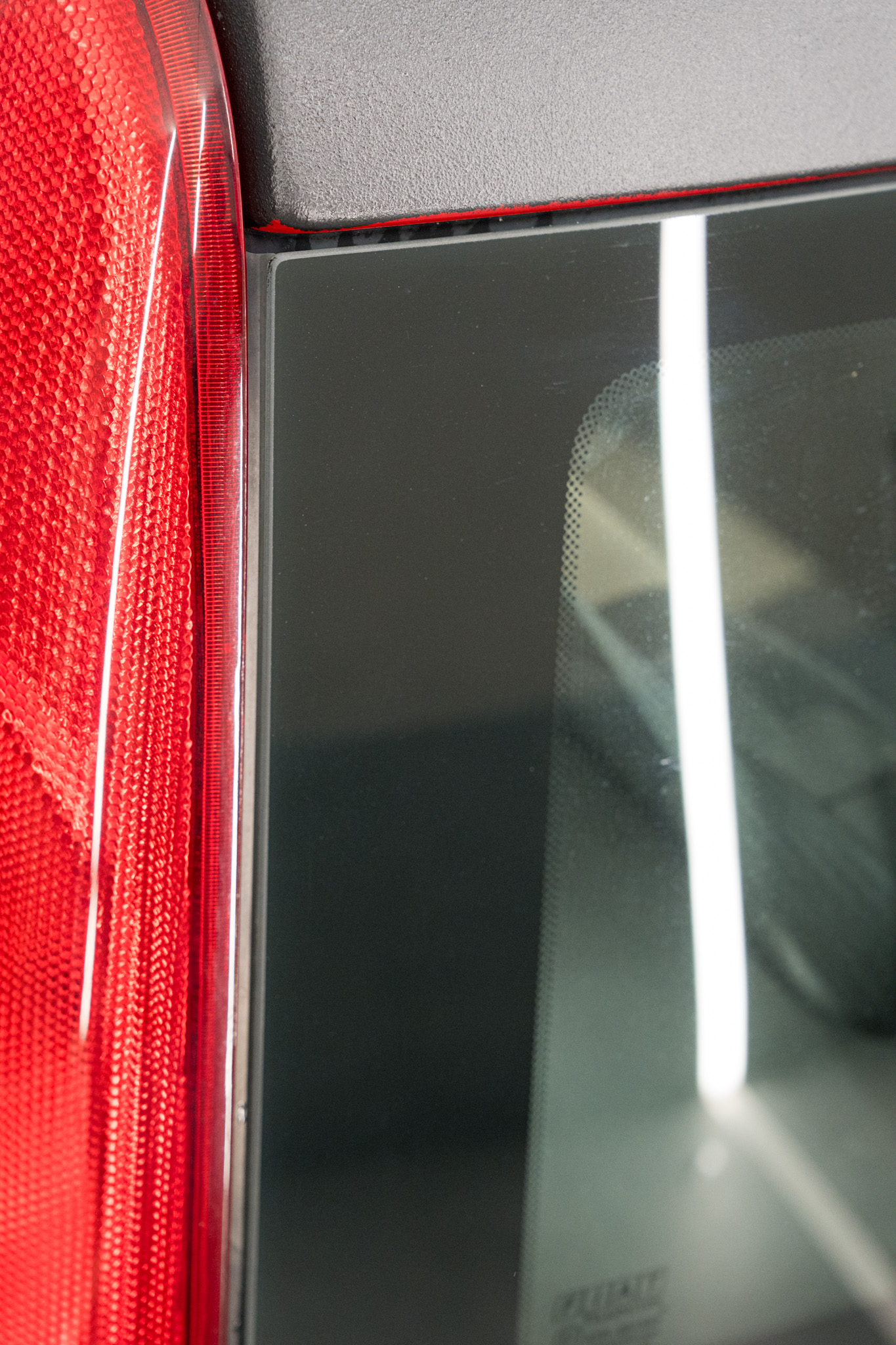
Have you ever carefully washed your car only to notice black, sticky stains that are impossible to remove with a simple wash? Or tried to remove an old sticker, only to find yourself struggling with unsightly glue residue that seems to last forever? Don’t worry—you’re not alone. Tar stains and glue residue are among the most common cosmetic problems on car bodies. But don’t panic: in this guide, you’ll discover the best methods for removing them effectively, safely, and permanently—without damaging the paint.
Why Glue and Tar on the Car Body Are a Common Problem
Tar, a heavy byproduct of petroleum processing, often forms near roadwork, asphalt paving, and construction sites. Cars passing through these areas risk picking up tiny particles of tar that stick to the wheels and fenders and eventually settle on the car’s body. The heat from the sun and the pressure from traffic then cause them to adhere more and more tenaciously to the car’s surface.
The problem isn't just cosmetic. Tar can dull the paint's shine, create stubborn buildup that's hard to remove, and, over time, seep into micro-scratches in the paint, making it extremely difficult to clean. That's why it's essential to take action immediately and use the right methods.
Similarly, removing promotional stickers, protective films, or double-sided tape can leave very noticeable sticky residue on the car’s body. Here, too, heat makes the situation worse by literally “baking” the adhesive into the paint. The result? A dirty, sticky, and visually compromised surface.
As we mentioned, in this guide, we’ll go over the proper steps to follow for removing glue and tar from the car’s bodywork, as well as the mistakes to avoid, so you can always achieve flawless results without damaging the surfaces.
Mistakes to Avoid at All Costs When Removing Glue and Tar from a Car's Body
Gasoline Use: A Myth to Debunk
Using “gasoline to remove tar from the car’s body” is a common misconception you’ve probably heard before, but be careful: gasoline is strongly discouraged for this type of task. Although it’s effective at dissolving oily or tar-like substances, gasoline is extremely corrosive and can:
- Damaging the car's paint
- Discolor the treated areas
- Leave permanent marks or stains
- Irritates the skin and respiratory tract
In addition, it is highly flammable and dangerous to handle near heat sources. In short: use it only for refueling!
Be careful with thinners, acetone, and abrasives
Another common mistake is using household products such as nitro thinners, acetone, or—even worse—abrasive sponges and steel wool. These tools are too harsh for the delicate surfaces of cars and can:
- Corrode the protective clear coat on the car's body
- Creating Micro-Scratches
- Remove the glossy layer of paint
- Compromise the car's aesthetic value
The principle is simple: to remove tar and glue, you need to dissolve them, not scrape them off. And to do that, you need the right tools, which we'll look at now.
Professional products for removing tar and glue

Deca Flash
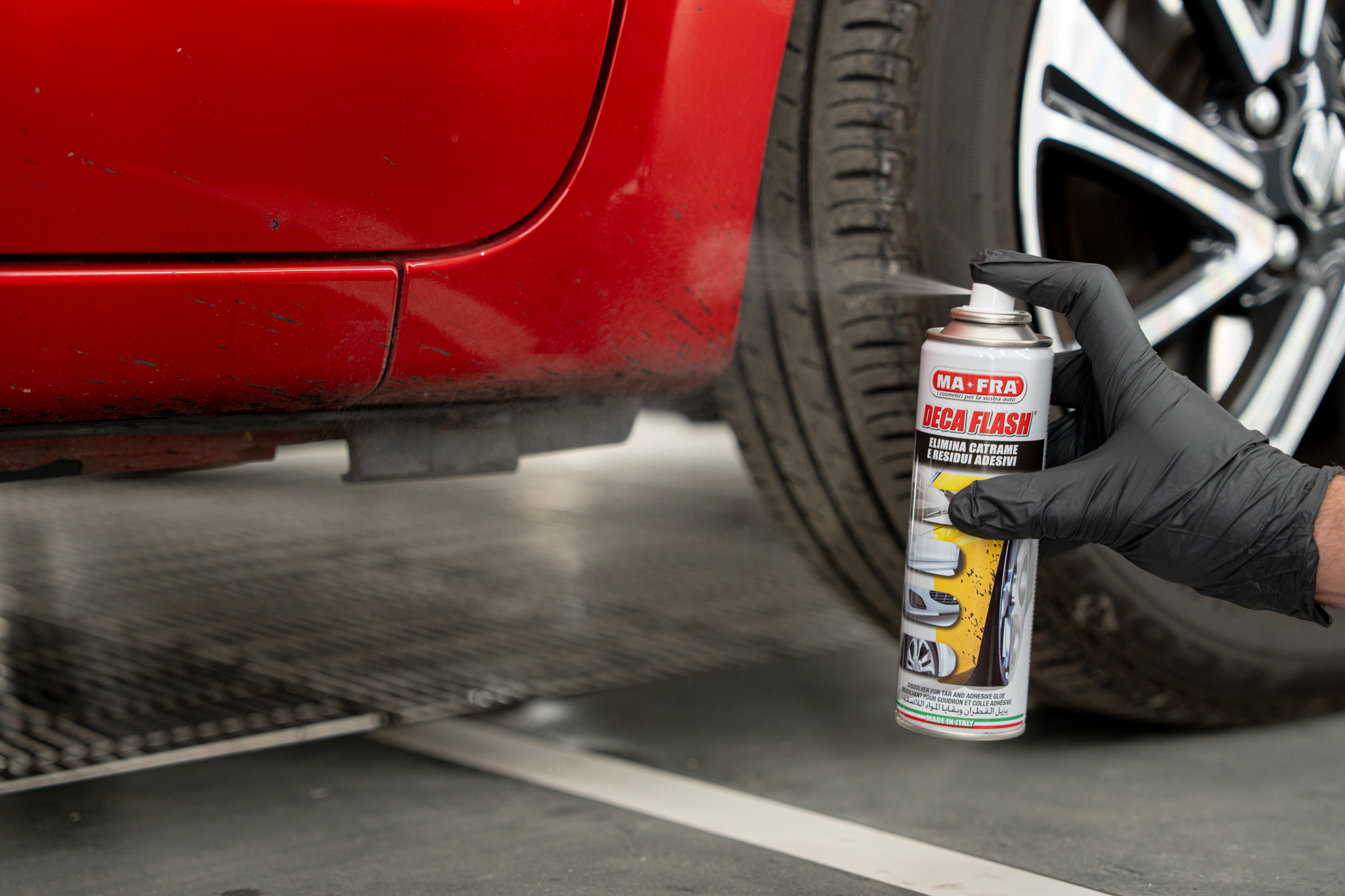
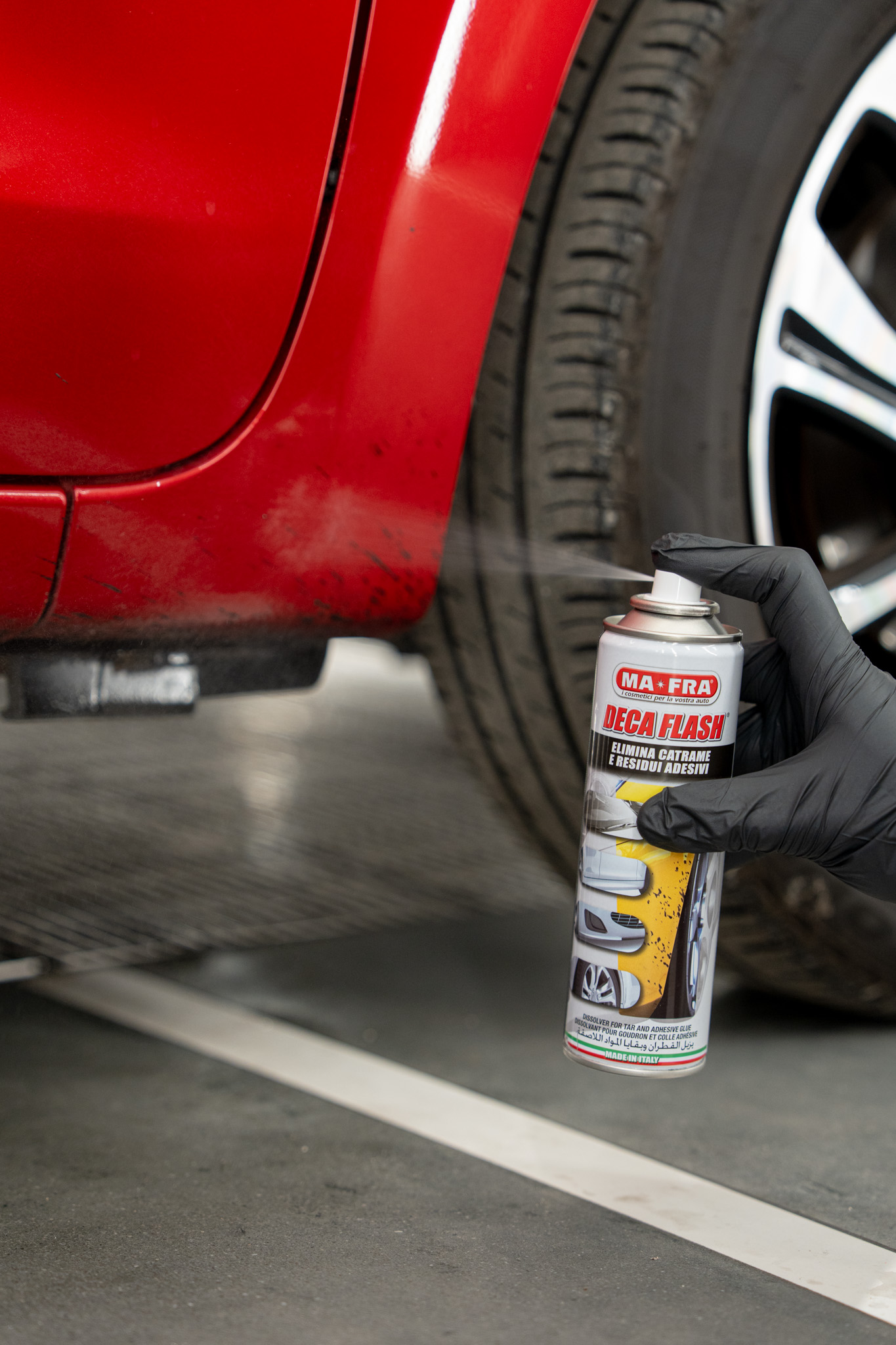
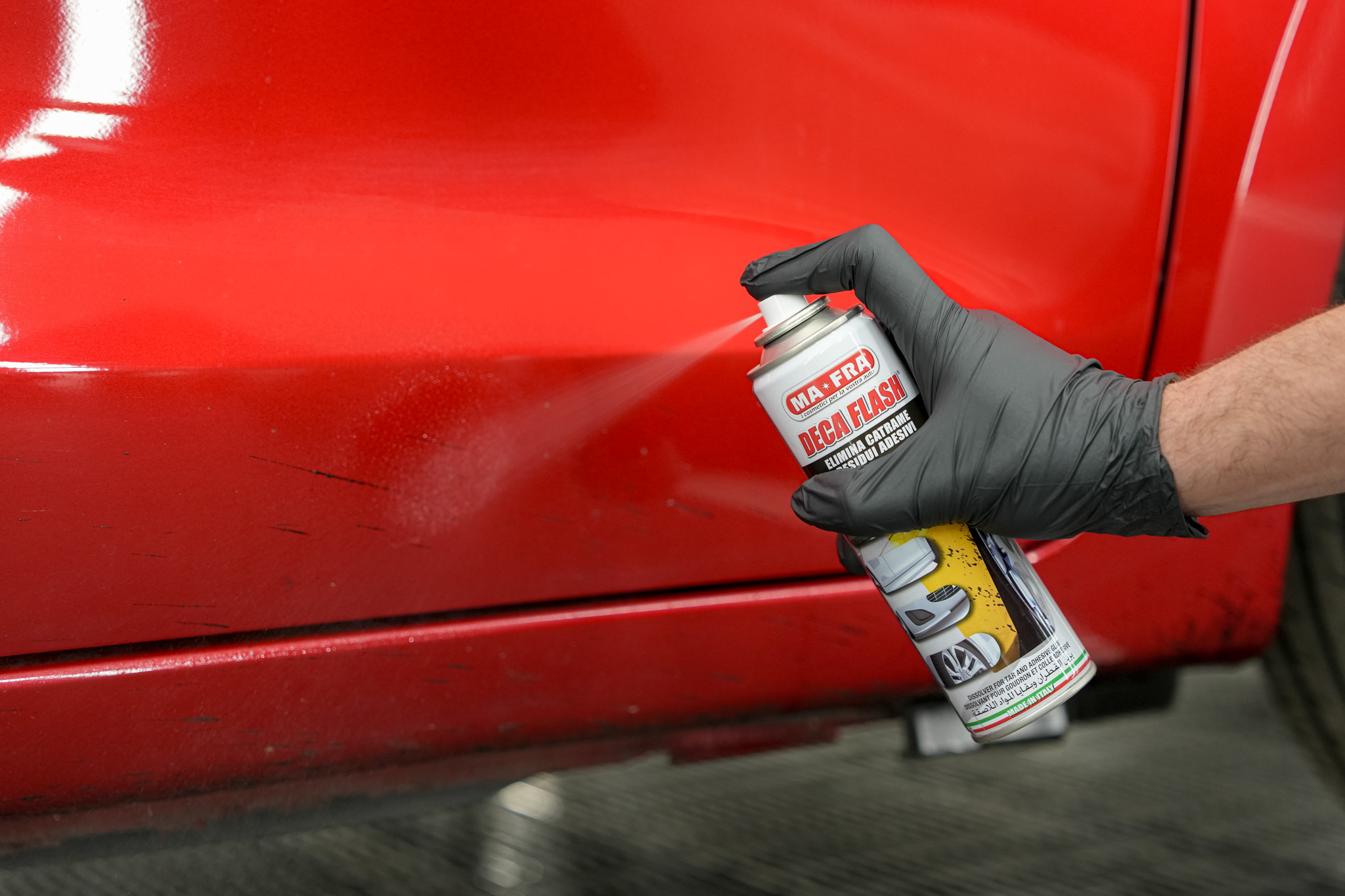
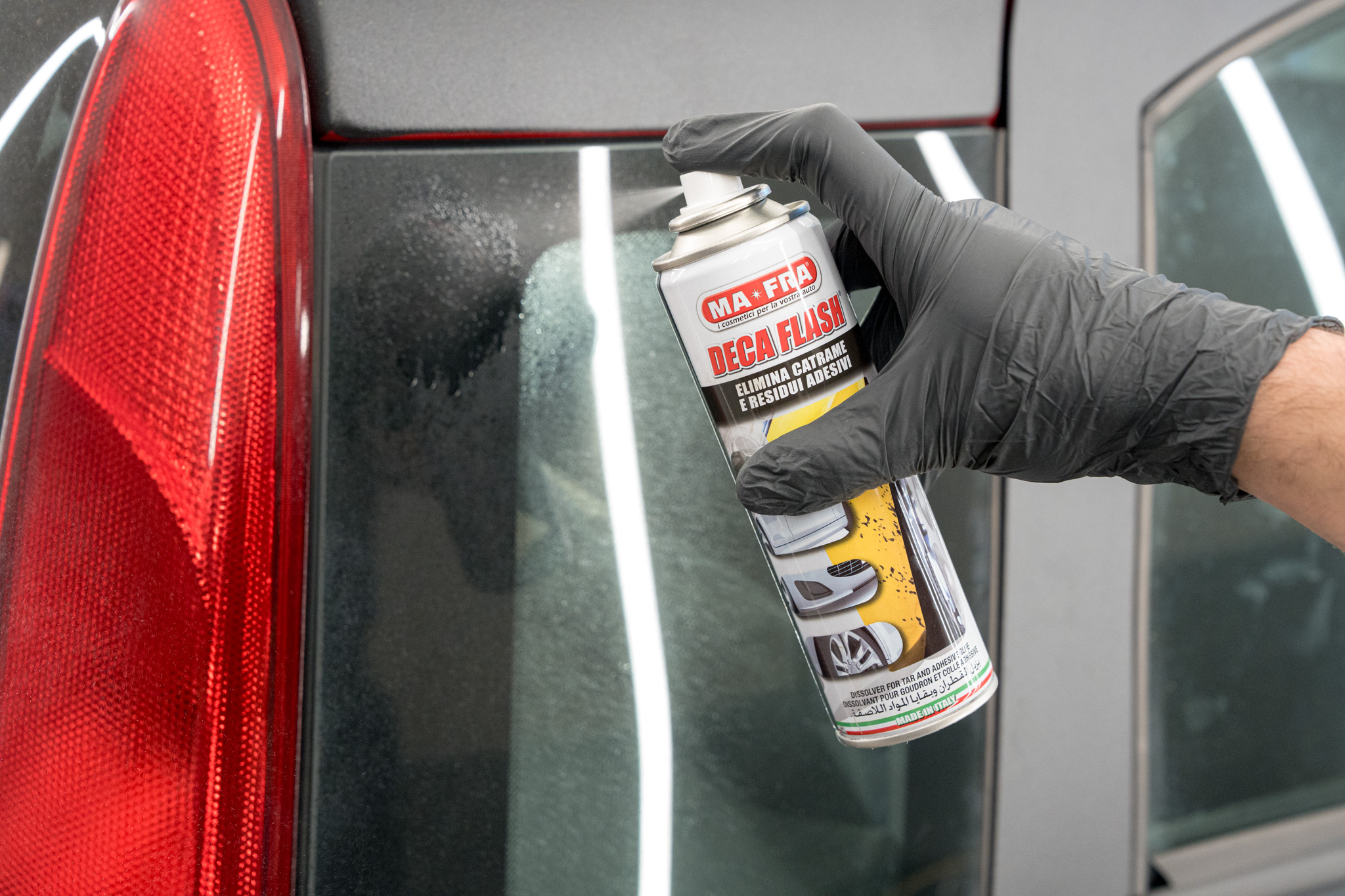
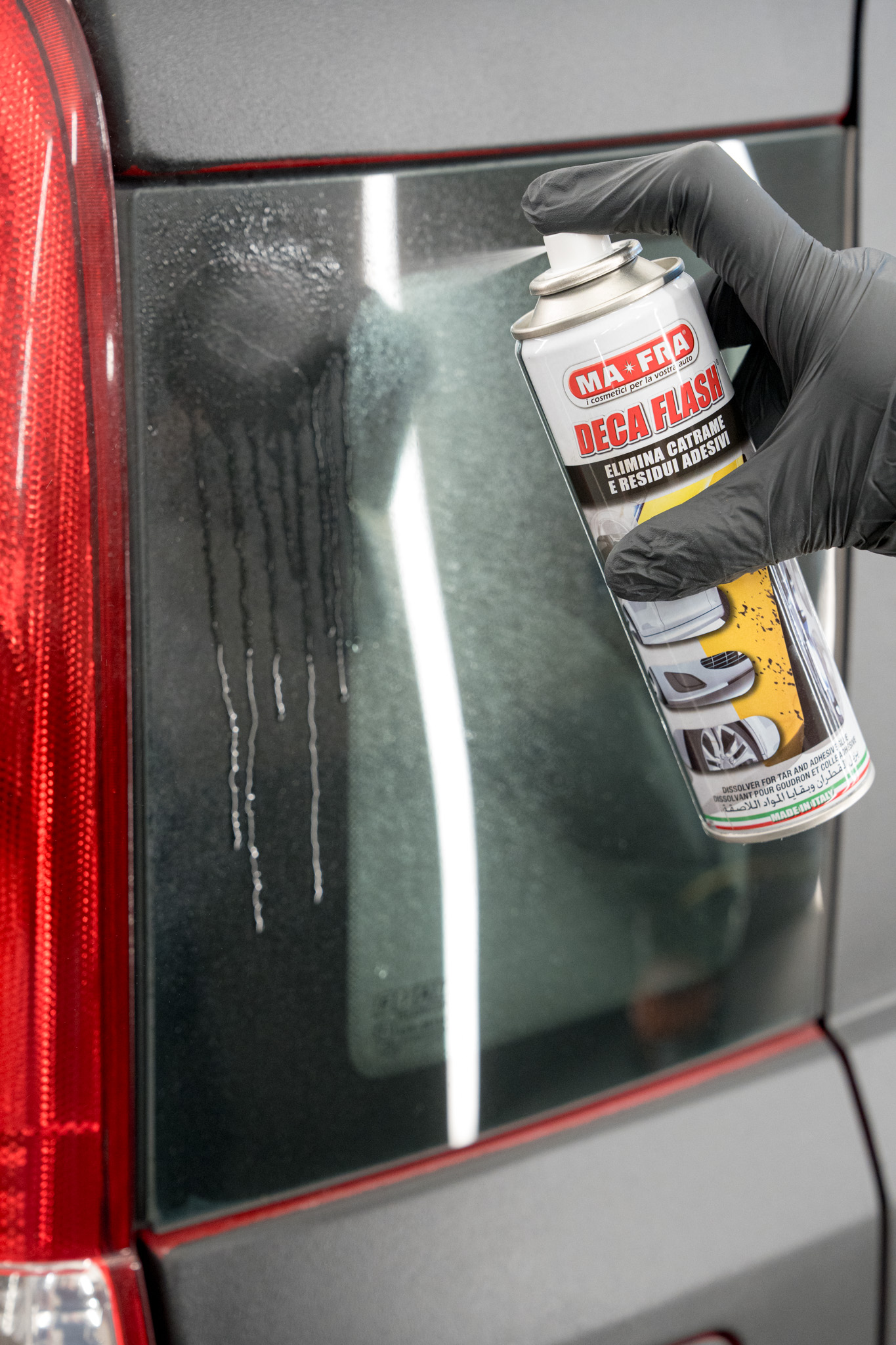
When it comes to professional-grade products, one of the best on the market is MA-FRA’s DECA FLASH. This spray has been specifically formulated to dissolve and remove tar, resin, and glue residue without damaging the paint. That’s why it’s so highly regarded:
- Effective: works in just a few seconds, even on the most stubborn residue
- Safe: Can be used on metal and glass without risk of damaging the surfaces
- Easy to use: just apply it, wait a few seconds, wipe with a microfiber cloth, and rinse
How do you use Deca Flash?
- Spray the product onto the affected area.
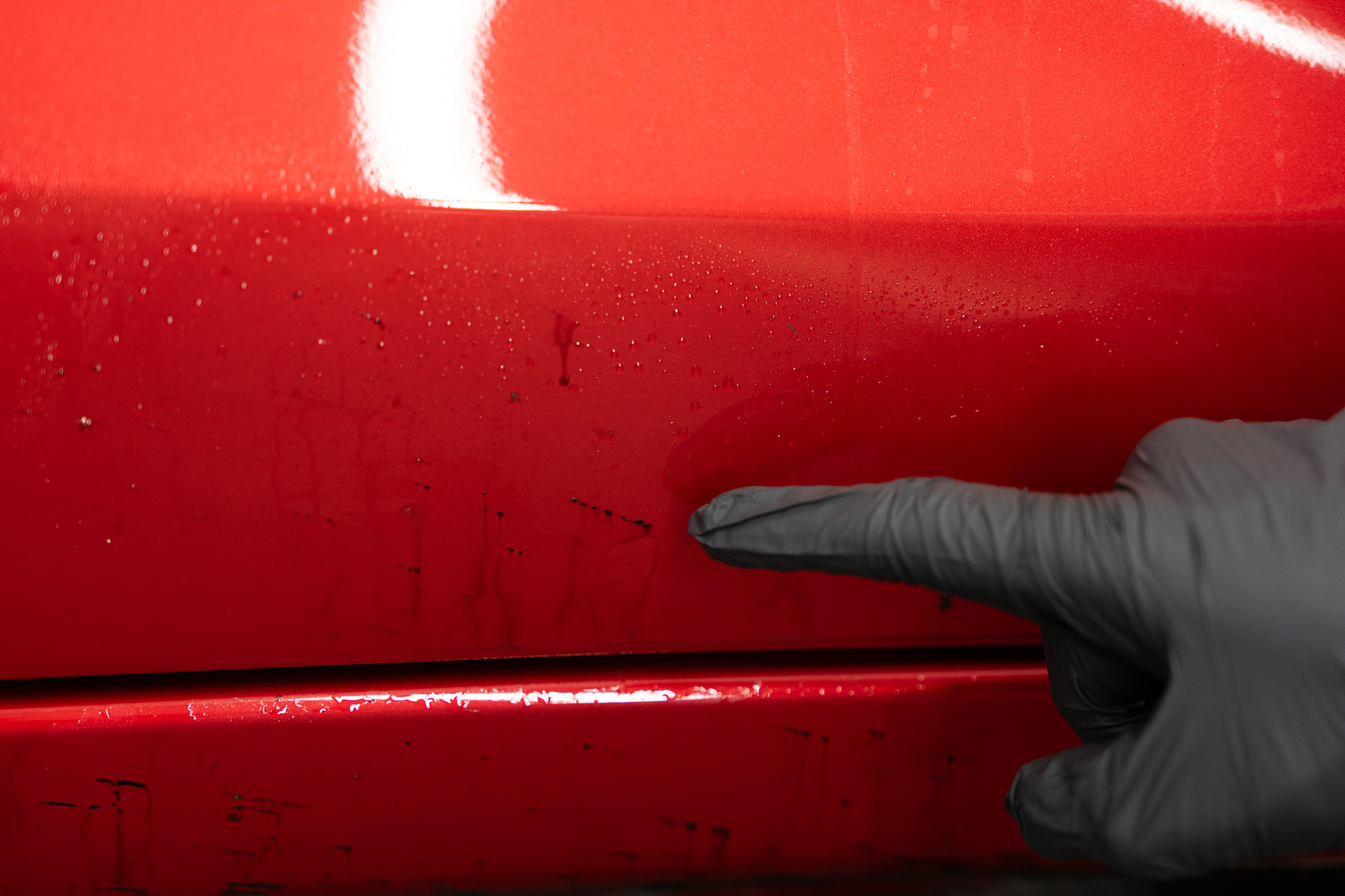
- Wait 10–20 seconds.
- Gently wipe it down with a clean microfiber cloth.
- Rinse thoroughly with water and dry with another cloth.
It comes in a 250-ml size and can be applied multiple times to stubborn stains. An important tip: If you want to treat plastic surfaces, test it first on a hidden area.
Essential Precautions Before Cleaning
Before you begin the actual cleaning process, we recommend that you test the product on a small, inconspicuous area of the car’s body. This simple but crucial step can prevent serious damage. Not all paints react the same way, and some solvents may:
- Matte the surface
- Causing discoloration
- React chemically with previously applied waxes or protective coatings
Take the test, check the results, and only then proceed with the full treatment.
One of the most common temptations when dealing with a stubborn stain is to scrub it vigorously, which is a very serious mistake. Modern car bodies are protected by a very thin layer of clear coat that can be easily damaged. Avoid:
- Abrasive sponges
- Stiff brushes
- Steel wool or similar materials
Instead, use microfiber cloths such as MA-FRA’s Heavy Work cloths, which are soft and gentle, and use a slow, controlled circular motion; alternatively, use Multiroll cloths, a roll of 30pre-cut technical microfiber cloths.
How to Properly Rinse the Car Body
After removing tar or glue, it is essential to rinse the treated area thoroughly. This step removes any residue from the chemical or natural products used during cleaning. If left on the surface, these residues can:
- Staining the paint
- Attracts dust and dirt
- To corrode over time
Use running water—preferably lukewarm—and finish by wiping the surface with a second dry microfiber cloth. If you have a pressure washer, set it to low pressure to avoid damage while still achieving an even more professional result.
When to Consult a Professional
There are times when, despite your best efforts, tar or glue seems to resist every attempt to remove it. Or you may find yourself dealing with residue on particularly delicate surfaces or on matte and satin finishes. In these situations, it’s best to consult a professional auto body repair shop or a detailing center.
Professionals use:
- More powerful and safer products
- Advanced techniques such as thermal decontamination
- Polishers and specialized tools for every type of surface
Professional treatment guarantees you flawless results without the risk of permanent damage. And it’s often less expensive than you might think.
How to Prevent Future Tar or Glue Stains
Park carefully
A small gesture can make a big difference: avoid parking near road construction sites or freshly paved roads. The tar is often invisible to the naked eye, but it sticks to the tires and inevitably ends up on the car’s body.
Wash your car regularly
Washing the car frequently (at least every 10–15 days) prevents tar or glue from hardening or becoming too firmly embedded in the paint. Using specialized car shampoos—preferably those enriched with protective agents—can make a big difference.
Protect your car's body with waxes and sealants
Applying a protective wax helps create an invisible barrier between dirt and the paint. This makes it much easier to remove any contaminants in the future.
The Differences Between Fresh Glue and Dry Glue
One factor that is often underestimated but essential is how long the adhesive has been on the car body. The process of removing the adhesive varies significantly depending on whether it is fresh or has already dried and hardened.
Fresh glue
- It comes off more easily because it hasn't fully bonded to the paint yet.
- It can be dissolved with warm water and shampoo.
- Avoid using strong solvents right away: they are unnecessary and could be harmful.
- For effective cleaning, use Deca Flash.
Dry glue
- It's more stubborn and persistent, requiring patience and more effective products.
- That's where Deca Flash comes in.
To prevent the glue from hardening, take action as soon as possible. The sooner you act, the less aggressive the treatment will need to be.
Removing Tar from Unpainted Surfaces
Not all surfaces on a car are the same: removing tar from glass is quite different from removing it from a plastic part or a rubber seal.
Glass
- You can use Deca Flash without any problems.
- Use a soft microfiber cloth, such as Heavy Work.
Plastic
- The surface can easily become dull or discolored.
- Always test the product on a hidden area first before applying it.
Rubber and Seals
- Avoid using any harsh solvents: they can corrode or harden the rubber.
- Use only mild shampoo, warm water, or special detailing sprays.
In short, every material requires a different approach. And if you have any doubts, it’s best to proceed with caution.
The answers most frequently sought by drivers
Here are some of the most frequently asked questions that users search for online, along with brief and precise answers:
- How do you remove tar from a car's body?
Use specialized products like Deca Flash. Never use gasoline! - What is the best solvent for tar?
DECA FLASH is one of the best. - How do you remove dried glue from a car's body?
Use Deca Flash as many times as necessary until the glue is completely removed. - Acetone on a car's bodywork: yes or no?
No, never. It’s an extremely harsh product that can discolor the paint. - Is gasoline really that harmful?
Yes. It’s too harsh for modern paints. It can leave streaks, discolor the surface, or damage the protective coating.
Final Checklist: What to Do and What to Avoid
To wrap up, here’s a handy checklist to keep on hand before you start removing glue and tar:
✅ What to Do
- Test each product on a small area
- Use microfiber cloths
- Work calmly and patiently
- Always rinse thoroughly
- Polish the treated area when you're finished
❌ What to Avoid
- Do not use gasoline, thinners, or household products
- Do not scrub with abrasive sponges
- Do not ignore the product instructions
- Do not leave solvents on the paint for too long
- Don't improvise if you're not sure about the material
Removing tar and glue from your car’s bodywork can take time and patience, but with the right tools and a little care, you can achieve a perfect result without damaging the paint. With Deca Flash, you can remove even the most stubborn residues without harming the surfaces. Remember: every car is different and deserves the right treatment. And when in doubt, trust the professionals. Your car will thank you with a body that’s always shiny and protected!
-
Can I use acetone to remove glue from the car's body?
No, the risk of damage—including permanent damage—is very high.
-
Does gasoline damage the car's body?
Absolutely. It can cause discoloration, make the paint look dull, and irreversibly damage it.
-
How can I prevent tar from building up on my car's body?
Avoid roads with construction zones, wash your car regularly, and apply a protective wax every 2–3 months.