What are chrome car rims?
Chrome car rims are rims—usually made of aluminum alloy or steel—coated with a thin layer of chrome through an electrochemical process. This treatment creates a smooth, shiny, and highly reflective surface, which is responsible for the typical “mirror” effect. They are therefore not made entirely of chrome, but are enhanced with a coating that improves their appearance and durability.
In addition to its visual appeal, chrome plating offers good protection against corrosion, moisture, and the elements. However, since it is a surface finish, it requires regular maintenance to prevent it from becoming dull and to preserve its shine over time.
From an aesthetic standpoint, these wheels transform the car’s appearance, reflecting light and their surroundings and creating a more dynamic and distinctive look. For this reason, they are highly prized in the world of customization and tuning.
Difference Between Chrome and Standard Rims
The main difference between chrome wheels and standard wheels lies in the type of finish. Chrome wheels are treated with a chrome plating, which gives them a mirror-like effect and greater visual depth, while traditional wheels feature matte, satin, or glossy finishes, which are simpler and less reflective.
This distinction isn't just aesthetic. Chrome plating also provides protection against corrosion, but it requires more maintenance. Standard wheels, on the other hand, are generally more practical and less prone to visible scratches.
Their use also varies: traditional wheels prioritize functionality and affordability, while chrome alloy wheels are chosen primarily for style and personalization—ideal for those who want a car that stands out and makes an impression.
Why Choose Chrome Rims
The real question is: Why are more and more drivers choosing chrome alloy wheels? The answer is simple, but there are several nuances to it. First of all, there’s the visual impact. A car with chrome wheels immediately looks more polished, more aggressive, and, in many cases, more expensive than it actually is.
But it’s not just a matter of aesthetics. Chrome rims also offer a certain degree of weather resistance. Rain, moisture, and dirt tend to stick to them less than to untreated surfaces. This means that, with the right maintenance, they can retain their shine for years.
There’s also a psychological factor. Driving a car that stands out enhances the enjoyment of the experience. It’s a bit like wearing an elegant outfit: it changes the way you feel, even though the function remains the same.
That said, they aren’t for everyone. They require more care than traditional rims and can show scratches or imperfections more easily. However, for those who love attention to detail and want a truly unique look, they’re practically a must-have. And to preserve that shine over time, it’s essential to use the right tools.

Bright Flash Kit
Using the Flash Bright Kit for a Perfect Polish
When chrome car rims start to lose their shine, it’s tempting to settle for a simple cleaning. But the truth is that, in these cases, washing isn’t enough: you need a targeted treatment that not only removes dirt but truly restores the original mirror-like finish. And that’s where a specialized product like MA-FRA’s Flash Bright Kit comes in—designed specifically for shiny, delicate surfaces.
Unlike generic cleaners, this type of kit works deep into the chrome surface. It doesn’t just clean—it also addresses dullness, micro-scratches, and minor oxidation, which are the main causes of loss of shine. The result isn’t just aesthetic: a well-polished wheel is also better protected and easier to maintain over time.
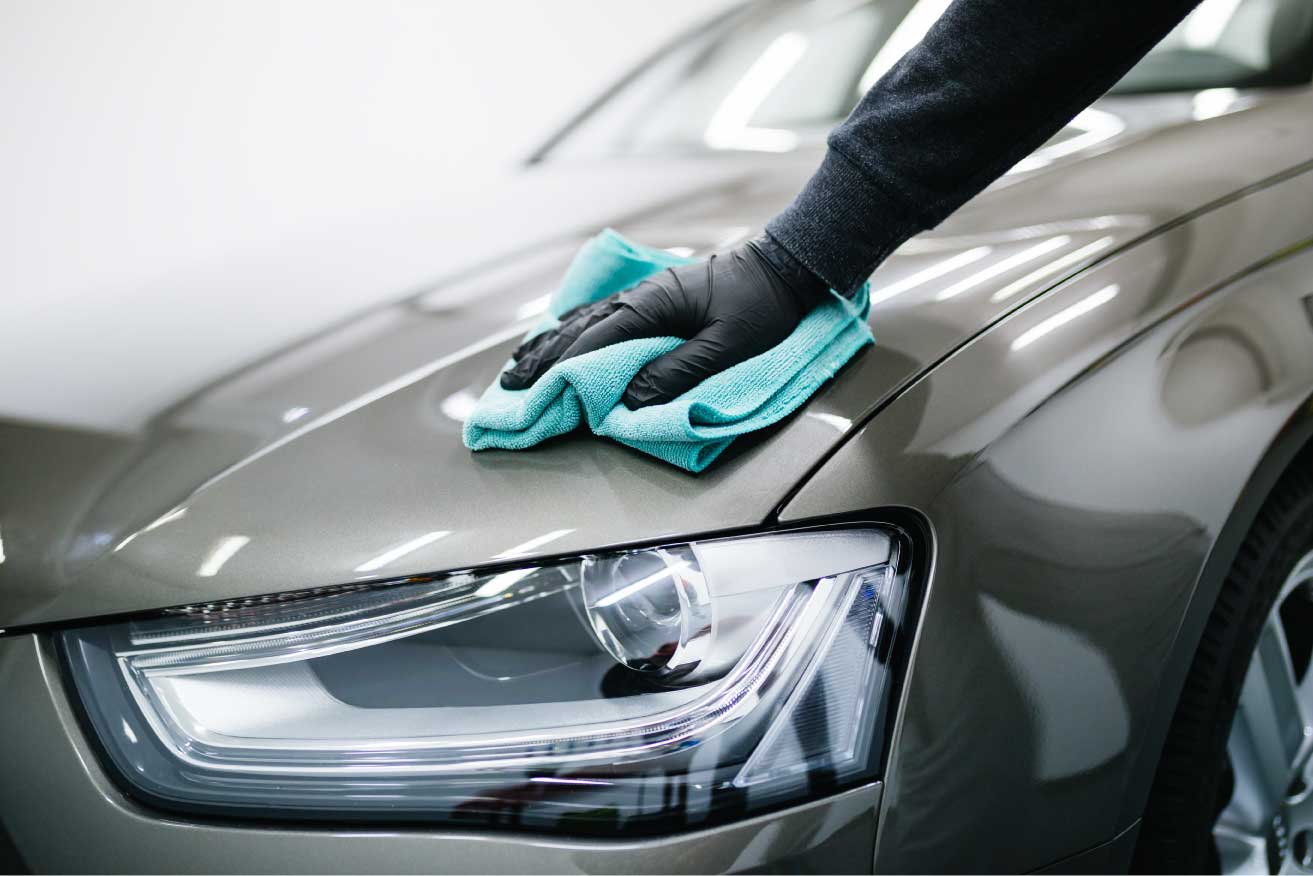
It’s easier to use than you might think, but doing it correctly makes all the difference. After cleaning the wheel, apply the product with a soft cloth, working it in with circular motions on small areas. Even after just a few strokes, the surface begins to reflect light better, gradually regaining that mirror-like finish that makes chrome wheels so distinctive.
One aspect that is often overlooked is long-term protection. The Flash Bright Kit does more than just polish: it creates a sort of barrier that slows down the buildup of dirt and reduces the accumulation of brake dust and environmental contaminants. This means fewer future service visits and much easier maintenance.
It's a bit like polishing a pair of dress shoes: you can give them a quick clean, but only with the right product will you get that deep, long-lasting finish that really makes a difference. Similarly, using a professional kit completely transforms the final result on your rims.
For those who want to keep their chrome alloy wheels looking their best without resorting to expensive treatments, incorporating this type of solution into your maintenance routine is a practical and effective choice. You don’t need to be an expert—all it takes is consistency and the right product to see visible results right from the first few applications.
Chrome-Plated Alloy Wheels: Features and Benefits

Materials Used in Chrome Rims
When it comes to chrome alloy wheels, it’s essential to understand what they’re actually made of. The base material of these wheels isn’t chrome itself, as is often thought, but a metal alloy—usually aluminum combined with other elements such as magnesium or silicon. This combination achieves a perfect balance between lightness and strength, two essential characteristics for improving a car’s performance.
The chrome-plating process comes into play only later. After the alloy wheel is manufactured, a layer of chrome is applied through an electrochemical process. This coating is extremely thin, yet incredibly effective at giving the wheels that shiny, reflective finish that makes them so recognizable.
From a technical standpoint, chrome alloy wheels offer several advantages over steel wheels. They are lighter, which means better handling and lower fuel consumption. In addition, they dissipate the heat generated by braking more effectively, helping to improve the vehicle’s overall performance.
There’s also a practical aspect to consider. Despite their “delicate” appearance, these rims are designed to withstand everyday use. However, the chrome finish requires constant care. Without maintenance, it can lose its shine or even deteriorate over time. This is where the importance of specific products comes into play, which we’ll discuss in more detail later.
What material is chrome-plated?
One of the most frequently asked questions is this: What material is chrome-plated? The answer may come as a surprise. Chrome is not the main material of the wheel rim, but merely a surface layer applied to a metal base.
In most cases, the chrome-plating process is applied to aluminum alloy wheels. However, it is also possible to chrome-plate steel wheels, although this practice is less common in the modern automotive industry. This is because aluminum offers better overall performance, especially in terms of weight and heat dissipation.
The chrome plating process is quite complex and involves several steps:
- Surface preparation
- Application of a layer of nickel
- Final chromium deposition
This multi-step process ensures a uniform and durable finish. The result is an extremely smooth, almost mirror-like surface that reflects light evenly.
But be careful: precisely because it is a surface layer, chrome can be susceptible to deep scratches or impacts. Once damaged, it is not easy to restore it without undergoing a complete new chrome-plating process.
In other words, chrome rims are a bit like a smartphone with a glass screen: beautiful and functional, but they need to be handled with care.
Are steel or alloy wheels better?
Technical and Performance Differences
Choosing between steel and alloy wheels is one of the most common decisions for those who want to customize their car. Steel wheels are generally less expensive and more impact-resistant, but they are also heavier. This extra weight negatively affects fuel economy, acceleration, and handling.
Alloy wheels, on the other hand, are designed to deliver better performance. Because they are lighter, they reduce the vehicle’s unsprung mass, improving steering response and ride comfort. In addition, they dissipate heat more effectively, contributing to more efficient braking.
From an aesthetic standpoint, there's no contest. Alloy wheels—especially chrome ones—offer a variety of designs and finishes that steel wheels simply can't match.
What's the best choice for you?
The answer depends on your needs. If you're looking for an affordable and durable solution for everyday use, steel wheels may be a good choice. They're ideal for winter or rough road conditions.
If, on the other hand, you want to enhance your car's appearance and improve its performance, chrome alloy wheels are the best choice. They offer the perfect blend of style and functionality.
It's a matter of priorities: practicality or style? In many cases, the answer is simple—why not both?
Care of Chrome Rims
How to Properly Clean Chrome Rims
If there’s one secret to keeping chrome car rims shiny, it’s consistent maintenance. It’s not enough to wash them every now and then—you need a precise, almost ritualistic approach. Chrome, in fact, is beautiful but delicate. Dirt, brake dust, and the elements can cause the surface to lose its shine if they aren’t removed regularly.
The first rule is to avoid harsh products. Cleaners that are too acidic or abrasive can damage the chrome layer, leaving permanent marks. It’s best to opt for specialized solutions designed for shiny, delicate surfaces. Temperature matters, too: washing the rims when they’re hot—perhaps after a long drive—can cause stains that are difficult to remove.
A good method involves just a few steps, but they must be done properly. First, rinse to remove surface dirt, then apply a mild detergent with a soft sponge. Finally, dry with a microfiber cloth to prevent streaks. Simple, but extremely effective.
The real mistake many people make? Neglecting how often they clean them. Even if the rims look clean, invisible residue can build up over time. It’s a bit like brushing your teeth: skipping a few days doesn’t seem like a problem—until it becomes one.

Rim and Tire Cleaner

Can chrome-plated alloy wheels be painted?
Painting Techniques
A question many people ask is: Can you paint chrome alloy wheels? The answer is yes, but it’s not as simple as painting a standard surface. The main problem is the chrome plating itself: because it’s smooth and not very porous, it makes it difficult for the paint to adhere.
To achieve a good result, you must properly prepare the surface. This means removing or matting the chrome layer by sanding or sandblasting. Only after this step can you apply a specific primer, followed by the desired paint.
The process requires precision and the right tools. It's not your typical DIY garage project, unless you have some experience. A mistake during preparation can result in a paint job that peels within a few weeks.
There are also alternative solutions, such as protective films or vehicle wraps, that allow you to change the color without making permanent changes. However, the aesthetic result is not always comparable to a professional paint job.
Pros and Cons of Painting
Painting chrome rims might seem like a good idea, especially if you want to change their look without buying new rims. But there are some things you need to consider carefully.
One of the advantages is definitely customization. You can choose any color, from matte black to anthracite gray, all the way to bolder shades. It’s a way to breathe new life into wheels that may no longer reflect your personal style.
On the other hand, however, there are drawbacks. The process is expensive and time-consuming. Furthermore, once painted, the rims lose their main feature: the mirror-like effect. It’s not easy to reverse the process.
There is also the issue of durability. If the work is not done properly, the paint can deteriorate quickly, especially in harsh weather conditions.
Ultimately, this is a choice that makes sense only in certain situations. If the chrome rims are still in good condition, keeping them and making them look their best—perhaps with a good polish—is often the best solution.
Common Problems with Chrome Rims and How to Fix Them
Scratches, oxidation, and loss of luster
Even the best chrome alloy wheels aren't immune to problems. Over time, it's normal for small scratches, signs of oxidation, or a general loss of shine to appear. The good news is that many of these problems can be fixed if addressed early enough.
Superficial scratches are the most common. They can be caused by debris on the road or by cleaning that’s too aggressive. In these cases, polishing with specialized products can work wonders.
Oxidation, on the other hand, is more insidious. It manifests as dull spots or dark spots on the surface. If left untreated, it can permanently damage the chrome plating.
A loss of shine is often the result of insufficient maintenance. Even without visible damage, rims can lose their mirror-like finish over time.
How to Prevent Damage
Prevention is always the best strategy. Cleaning your rims regularly and using the right products is the first step. Avoiding harsh detergents and abrasive tools significantly reduces the risk of damage.
Another useful tip is to protect your rims after cleaning them. Products like the Flash Bright Kit not only improve their appearance but also create a protective barrier.
Finally, be careful when driving. Tight parking spaces, sidewalks, and rough roads are among the biggest threats to chrome rims. It doesn’t take much to damage them, but with a little care, you can keep them in perfect condition for years.
Bright Flash Kit
How to Choose the Best Chrome Car Rims
Dimensions, Design, and Compatibility
Choosing the right chrome car rims isn't just a matter of aesthetics. Of course, appearance matters, but there are also technical factors to consider. The size, for example, must be compatible with the vehicle. Rims that are too large can compromise comfort and increase fuel consumption.
Design is another key element. Some prefer simple, clean lines, while others opt for more elaborate designs. In either case, the important thing is to maintain consistency with the car’s style.
Buying Tips
Before making a purchase, it's always best to do your research. Check the quality of the materials, read reviews, and, if possible, see the rims in person.
A word of advice? Don’t base your decision solely on price. Wheels that are too cheap may hide quality issues. It’s better to invest a little more and get a product that will last. Chrome car wheels are a choice that combines aesthetics and personality. They aren’t just car parts—they’re true style statements. They require care, attention, and a small investment, but the result is well worth the effort.
Frequently asked questions
-
Do chrome rims get damaged easily?
Chrome wheels aren’t fragile per se, but their surface is more delicate than a standard paint finish. Scratches, road salt, and harsh chemicals can damage the finish over time. With regular maintenance and the use of specific products, however, they can retain their shine for years without any noticeable issues.
-
Are chrome rims suitable for winter use?
They are not the best choice for extreme winter conditions. Salt, snow, and moisture can accelerate the deterioration of the chrome finish, especially if they are not cleaned frequently. Many drivers prefer to use a second set of wheels (such as steel ones) during the winter to protect their chrome wheels.
-
How long does the chrome plating on rims last?
The lifespan depends largely on the quality of the finish and how well it is maintained. A professional chrome plating job can last several years—even more than 5—if properly cared for. On the other hand, neglect and harsh cleaning methods can drastically shorten its lifespan.
-
Do chrome rims increase a car's value?
From an aesthetic standpoint, yes: they improve the car’s appearance and can make it more attractive on the used car market. However, the added economic value depends on the buyer’s taste. Not everyone appreciates the chrome look, so the impact on the final price may vary.
-
What's the most effective way to restore the shine to dull rims?
When chrome rims start to lose their shine, the best solution is targeted polishing with specialized products. Using a professional system like the Flash Bright Kit allows you to safely remove light oxidation and restore the mirror-like finish without damaging the surface.